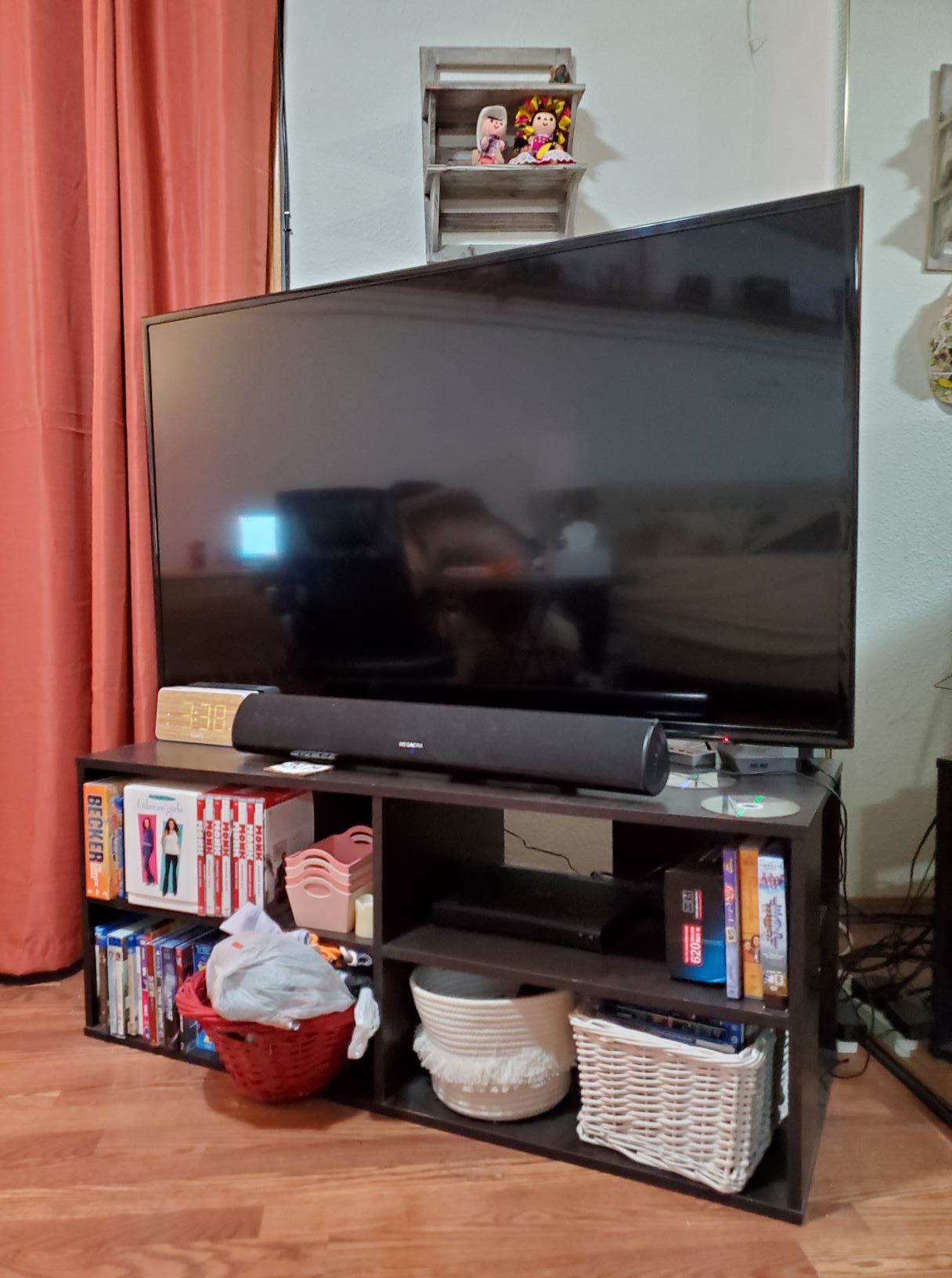
Television: A Loathe-Like Relationship

Tags

, , , , , , , ,

My old cable company (back when I used to live in Flagstaff, AZ) sucked all kinds of rot-water. I lost track of the number of times I would come home on a Friday night to find my service had been cut off for no reason, or the connection just didn’t work, and because the cable company was closed for the weekend, I could not get things fixed until Monday, just before heading back out to the Navajo Nation for the week. Pay-per-view never worked, and of course there is the usual problem of umpteen channels of nothing worth watching.

Hated it!

I also remember watching about the 5th or 6th episode of MTV’s Real World in a row one night, and mumbling to myself; “What could possibly be more stupid than this show?”

I was alone, of course, but a little voice in the back of my head spoke loud and clear; “You watching it.”

One day, I moved across town, and at a certain point I realized this little mini-migration, along the fees for changing various services over to the new location, was going to cost a little more than I could afford on my next paycheck. So, I asked my cable company if I could delay one payment for two-weeks. I could have started with any number of other companies, but for some reason I called these guys first. They said, ‘yes’, and that was enough to solve my problem.

…or at least it would have been, had the person who actually said ‘yes’ to my request been authorized to do so, or even if that had been possible under their actual policies. Apparently, this was not the case. My service was cut off. Nobody cared that I had been told explicitly that I could do this, but they were happy to take my payment along with a couple extra fees and schedule a time to reconnect me.

I told them ‘nevermind.’

My initial plan was to save up and get a satellite dish. I figured it would take about a month to save up the money. What I didn’t plan on was kicking the television habit altogether. By the end of that month, I no longer needed, or wanted television. I had somehow just gotten used to life without it. I watched plenty of movies, and the internet enabled me to catch many great scenes without submitting myself to a whole show (or a whole series), but I no longer wanted continuous access to television.

That was that!

***

Letting go of television was one of the best decisions I ever in made in my life. I listened to a lot of great music, and I watched some great movies, and I dabbled at writing some things myself, to no avail of course, but I did find the experience a lot more satisfying than your average television show.

When asked about my seemingly freakish existence without functioning connection to a television service, I used to tell people it wasn’t that I wouldn’t want to watch TV, but rather, that I would sometimes watch it all day whether there was anything on it worth watching or not. (That Real-world-binge late on a Friday night comes to mind!) Ever since I was a kid, I recall, getting into a certain kind of mood, one that just made sitting in front of the idiot box seem like the perfect way to spend an hour, or a whole weekend. If that mood hit, I was watching something, even if that something disgusted me. Saying ‘no’ to television service was a way of saying ;no’ to that mood and the wasted time that went with it.

People usually responded to this explanation by telling me how to set up an antenna or steal my cable service.

Seriously, it’s almost as though some folks just can’t imagine a life without television. Life without TV must be an unfortunate existence, they seem to suppose, and so they respond to clear statements of preference for life without it as if it is a clear cry for help in getting television after all.

Ah well!

***

Things I noticed during my time without service: Some things about television got more interesting when I didn’t watch it regularly, and some got less interesting, a lot less interesting. I mostly remember the latter.

Laugh Tracks: They annoy the hell out of me now. I’m not used to them anymore, and when I hear one I feel personally insulted. All to often, a show runs with a joke that isn’t even remotely funny and uses the laugh track to try and convince us that it’s worth laughing anyway. This didn’t bother me when I was younger, but it sure does now. Those of us who grew up watching television have been trained to go along with this. My laugh-track training now has a glitch and so a laugh track is often enough to take me right out of a show altogether.

I hate them so much!

Made-for-Television Documentaries: the average television documentary crams about 5 minutes of information into a half-hour show. How they manage it, I will never know. The information these shows reveal is consistently lame, because just like so much television fiction, their stories are shaped by people who don’t trust an audience to handle anything but common television tropes. Add to that, the necessity of re-introducing the audience to the whole story at the end of every commercial break, and you have a whole bunch of fluff. If you are watching one of these documentaries for 8 minutes or so, half of that is reiteration of whatcame before and half is telling you something that won’t introduce anything new into the world of your present understanding. It really isn’t worth the time it takes to watch it

Or even to fast forward through it.

There are some amazing documentaries out there. They are not made for television.

News: I never noticed this pattern until I left off of television for awhile, but once I went without for a few years, it jumped out at me plain as day. If you were to measure the amount of time most news programs tease a story over the course of a day and then measure the amount of time they spend on the actual story, you would find that the former often dwarfs the latter.

All day, some of these stations just keep telling you about what’s coming up on a certain news segment that evening. The show starts, and they remind you about the story t the beginning and the end of the first segment. They do a commercial break and then they tell you the story is coming up soon, then remind you its coming after covering something else. This happens again, because they saved the big story for last. Finally, the story comes up and in the 5 or so minutes that follow, they add 1 or 2 new pieces of information to the stuff you already knew and the story is over before you even begin to get into it.

If these guys spent half as much time covering a story as they do selling it, they might be worth watching, but that’s a damned big if.

Drives me nuts!

Good: What I like: There are certain things I enjoy more once you stay away from television for awhile. I just can’t find many patterns to them. I do think it’s mostly in the area of humor. Because I am not constantly exposed to some clichés, they seem less cliché to me. So, a show that is actually just recycling that one great inspiration from the first season may get a bigger laugh out of me than they would if I had been watching it all along. Others in the room may wonder why I am laughing at all, but for me, the joke is new. Their delivery is polished, and it’s perfect. I’m laughing my ass off at a joke everyone else already finds tiresome.

Random Television Sets: The first thing most people do when they walk into a hotel room is turn on the television set. I still did this for years after letting go of TV in my own home. Somewhere along the line I stopped doing that. Nowadays, I will stay for several days in a hotel room without even looking for the remote, much less hitting the ‘on’ button. It’s the same when I visit other people’s homes. If television viewing is the activity of the day, I used to plop down and enjoy it with them. Nowadays, if someone is doing something else in another part of the house, I am a little more likely to seek them out than to sit down with the television viewers.

***

My significant other, Moni, has very different ideas about television.

She likes it!

After some pretty serious battles over the matter, I finally surrendered, and we ended up with cable service connections after all. It’s a big house, I can usually escape the television if I want to. I do find that a couple of decades without the box have left me much better prepared to just walk away fro the television set than my younger self could manage. I can look at a television without feeling the overwhelming urge to sacrifice my day to its mind-altering effects.

This is a relief.

When that cable guy first showed up, I had visions of a hours spent grumbling in front of reality television or some such atrocity. I felt like an addict teased with my former drug of choice.

Happily the temptation has proven less than tempting.

For the most part.

***

One of the unexpected benefits of life with my own personal ambassador for television is that she has introduced me to a number of shows I missed during my years away from the box. The experience is hit or miss for me, but the hits have been worth the time.

Arrested Development: This was truly a brilliant show. I am sorry I missed it the first time around, and ever so grateful to have been introduced to it after the fact. I could watch the whole thing again, to be honest, and some day I probably will.

I gushes because it’s good.

Becker: Amusing, but not enough to keep me watching.

Gilmore Girls: This is also amusing, but somehow, I doubt that I’m in the target audience for this show.

Friends: I remember really enjoying this show when it first came out (back when i still had television service). I particularly enjoyed a lot of the Chandler humor, specifically, the way his tone of voice often failed to match the content of his words. He could concede a point with all the conviction of a man declaring absolute victory. (That still makes me laugh.) And of course, the girls were crush-worthy. None of that mattered by the end of the first season though. The show was already old, and frankly the Ross character was so far under my skin that the very thought of watching another episode made me a little queasy. I mean, well done to David Shwimmer! A lesser actor could not have made me hate his character so much, but I do think I was supposed to like him. I just don’t.

Moni watches friends all the time now. I have several episodes memorized, just from chance moments passing through the living room while it plays for the umpteenth time. …Grumble! I still laugh at some of the jokes, and I still cringe at others. Ross still makes me want to gouge my eyes and ears out with a broken ink pen.

Monk: This was really clever. The cleverness got old though. I enjoyed a season or so, and that was enough.

Myboys: One of my old college buddies plays “Kenny” in this show. I knew it was a good run for him, and I was happy to see him have it, but I had no idea how cool the show was. When Moni met Mike at a New Year’s Party, I finally got some notion of just how great that gig must have been for him. (She totally freaked!) Moni made me watch the entire series of course, and I enjoyed every episode of it.

Now if only Superstore would make more use of Mike!

Lost: We watched a season or two of lost, and I just wasn’t down to keep at it. I get tired of story lines that keep pulling the rug out from under reality, and this was clearly a worst offender. (I had heard complaints about this feature of the show before, and I must say, I was surprised to see just how bad it was.) Why invest yourself in plot point if the writers feel free to take it away in the next episode and just tell you the whole thing was an illusion, only to rip up the new reality once again at the start of the next season.

The Mindi Project: This is fun.

Community: I had no idea Chevy Chase was on television back when this was showing, and I can’t believe I missed it. Also, I think I was 2 or 3 seasons in before I realized Donald Glover was Childish Gambino. Moni was playing the America video, and I think my response went something like this;

“Hey Donald Glover is doing a parody of the America video, but why would he make fun of that… You know, he’s sticking pretty close to the original here, he.. oh!”

Ah well, I’m old and I’m white. I’m really not supposed to know about rappers anyway, am I? Anyway, “Community” was fantastic. The paint-ball episodes are especially brilliant. Hell, they are absolute genius. I don’t mean ‘genius’ for television. I mean genius! I would watch the whole series all over again, just to see one of them one more time.

Walking Dead: I tried binge-watching this. The zombie scenes get old when you watch them back to back. My internal monologue usually goes something like this; “Hit him in the head! No, now, hit that one in the head! Be careful, somebody is going to slip or something and one will almost get you, then someone will fix it (usually), and then you guys can just hit the rest of them in the head….” Suffice to say, there wasn’t enough good stuff happening outside that theme to sustain my interest. I quit a few seasons in.

Downton Abby: This was interesting. It was also irritating. I may try to explain both feelings in a post some day.

Supernatural: This is the best and worst of television for me. There are times when this show reminds me of those days sitting in front of the television because that’s what I wanted to do at that moment and the story line just wasn’t quite bad enough to change my mind. Seriously, the endless plot twists with angels and demons and various powerful entities grow tiresome. A bit like all the warp-drive talk on Star Trek, the world-building narratives in this show just get old for me. That said, I am actually amazed that they somehow landed on a final story-line in which the heroes of the show actively plot to kill God himself.

..and the fan base is right behind them.

(Chuck is such a dick!)

And seriously, that is brilliant! Getting to this point has occasionally been a little tedious, but the shear audacity of this final plot line is just amazing.

When Supernatural is at its best though, it is when they are doing one of their parody episodes. Supernatural has done some absolutely amazing stories commenting on aspects of popular culture, or satirizing various television tropes. The trickster episodes are good for this. Whenever Sam and Dean find themselves in a completely different kind of of show, or suddenly deprived of their role as protagonists in the series, I know damned well I am going to enjoy what follows. Those episodes are right on par with the paintball episodes in Community.

****

Ah well! I’m not entirely sure what all this adds up to. I haven’t even talked about what television meant to me as a kid. Like so many children, that box was my main baby-sitter, and it had an awful lot of time to influence my ways of looking at the world. That said, this post has already gone on for far too long.

I am mostly talking about a medium that is rapidly evolving into new things. Many of the patterns I grumble about here have already changed. Others are changing now. Whether that is for the better or for the worse, I do not know. One thing that strikes me as I look up at the post above is just how much I have to say about television for somebody who has actively tried to avoid it for much of my life.I still say ‘no’ to television a lot, but as the rambling words above demonstrate, it is still a large part of my life.

Television is a big part of modern life.

Big enough to reach even its nay-sayers.

A Certain Value of ‘Greatness’

Tags

, , , , , , , ,

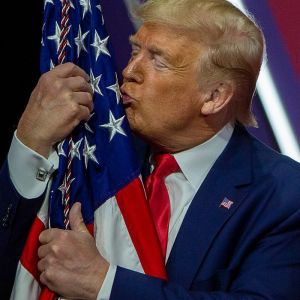
When exactly do you suppose America was great according to Donald Trump?

When do you suppose it was great in the minds of his supporters?

America is not great now, at least not in the minds of Donald Trump, and it certainly wasn’t great when he ran for office. That much is clear from the very nature of his old campaign slogan. “Make America great AGAIN,” certainly means it’s not great in the present age, at least not when he decided to run.

Perhaps Trump and his supporters might think to claim the economic stats he used to parade as success stories in the first 3 years of his administration made the difference and pulled us all the way from something else to greatness. How those economic trends differed from those under Obama is a different question, and whether or not Trump did anything but coast his way to a good look on paper is another. Either way, I could imagine he and his supporters might see in that enough cause to claim putting his label on the nation had made us all great again, but that would be a thin pretext indeed. Regardless, the moment in which this pretext could be claimed is long since gone at this point, and we are back to the same other-than-great world Trump seemed to see in America back in 2016.

***

So, when was America great in the minds of Trump and his supporters?

Could it be when Thomas Jefferson said that “all men are created equal?

Or when Martin Luther King challenged us all to live up to that very principle?

Some folks might say ‘both,’ and maybe so, but that is the answer to a different question. I didn’t ask which message you approve or admire? I asked when do you think America was great in the minds of Donald Trump and his supporters?

Maybe the former, but only if we discount the latter. They might well love the promise of equality and freedom, but only so long as that promise remained unfulfilled for a great many Americans. To the deplorables, the gap between American ideals and our political realities is an essential feature of our greatness. The greatness they seek is always gained at the expense of others.

***

I really don’t see how there could be any doubt in the matter. This man is a bully, and he has a bully’s sense of the world around him. His heroes are bullies. His villains are those that stand in their way. The vast majority of mankind are but cannon fodder by which his heroes distinguish themselves. They are the human sacrifices by which true greatness distinguishes itself from the mere men and women of ordinary humanity. Greatness in the world of Trump is a boot ground into the neck of someone unable to do anything about it.

(Or a knee.)

When was American great according yo Donald Trump and those who support him?

***

When slaves were sold on the market in Charleston, South Carolina, and when the profits from slavery flowed into all of the United States, North and South alike. This was greatness in Donald Trump’s world.

When Confederate Statues went up all across the south, reminding African-American that those who held slaves in bondage were the real heroes of their time, that was greatness in the world of Donald Trump. The suffering of African-Americans in slavery, and in segregation was (and is) a small price to pay for the greatness made possible by the profits of slavery.

…and the second class citizenship which was to follow.

There are those who would return African-Americans to that very second class status in the most explicit terms possible. Trump is a hero to these people. He would deny it of course, but countless White Supremacists have organized in the wake of his rise to power, encouraged by a dog-whistle here, a slow condemnation there, and of course the occasional glaring statement of racist sentiments by Trump or those in his inner circles.

There were those who thought the existence of a plebeian class in America was critical to republic, the price of greatness for those free enough to enjoy it. Clearly, a number of Americans see in Trump’s rise to power the chance to reconstitute that servile class of Americans who don’t quite enjoy their full rights.

For those who share this vision, every confederate statue is a memorial, not just to history, but to a natural aristocracy. Most, I expect imagine themselves the righteous heirs to that aristocracy, denied their proper station by the corruption of liberals and various minorities who are but pawns duped by the white liberal agenda.

It’s a message driven home every time right wingers tell us about the evils of the “Democratic plantation,” or tell us, as Phil Robertson once did, that African-Americans were happier in the days of Jim Crow than they are now living in the shadow of this very ‘plantation.’

For a good portion of Trump’s base, greatness lies in hierarchy, but only when it’s the right kind of hierarchy. In their world, we are all a little happier with slavery or something as close as they can get to it. Equality just means people end up in the wrong places within that hierarchy. For America to be great, each must be in his or her proper place.

***

Lest anyone forget this greatness, the greatness of slavery, it is celebrated in the Star Spangled Banner before every ritual in America’s one true religion, professional sports! This celebration takes the form of the star Spangled Banner, a song which triggers in every good American the obligation to display their loyalty and love of the nation by standing with their hands over their hearts for all to see. Any athletes who take exception to this on behalf of African-Americans mistreated by the police become enemies of America itself, and of its greatness, at least in the eyes of Trump and the deplorables.

That the full song includes a stanza celebrating the return of escaped slaves to their former bondage is perhaps a little more significant than this little-known passage would seem to suggest. That great celebration of freedom is also a celebration of slavery.

A point well made every time Trump and his fans demand obesiance of players and seek punishment for those who hesitate.

***

When Jewish women jumped from the upper floors of the Triangle Shirtwaist Factory in hopes of escaping the flames consuming the building and those within it, that was greatness to Donald Trump. It was greatness, because it was the price paid for great profits and a nation of industry unfettered by regulation or those Goddamned unions and all that bullshit red tape that comes with them. Those were days when Captains of industry were free, dammit, free from the death of a thousand paper cuts that require working fire escapes, reasonable work hours, and countless other protections for the safety and dignity of workers. That world without such regulations, that was greatness to the likes of Donald trump. The women who died in that fire? They were the price paid for the captains of industry to thrive, and the success of those men was worth every life snuffed out in the Triangle Shirtwaist fire.

…and every indignity suffered by any worker ever sacrificed in the name of that greatness.

***

When Custer died for our sins on the greasy grass, THAT was greatness.

A great sacrifice.

And before that when Custer sacrificed the lives of Cheyenne Women and children at the Washita River, that was greatness, a greatness beautified by the music of Garyowen. Garyowen was the song played by Custer as he attacked Black Kettle’s encampment in the early morning of November 27th, 1868. Still reeling from the massacre at Sand Creek, Black Kettle had come to the Washita River in the hopes that he and his people could camp in peace and stay out of the fighting (just as they had tried to do at Sand Creek 4 years earlier). Custer showed them American greatness!

Lest the lesson be lost on any of us, the Trump administration made a point to play Garyowen at their July 4th celebration at the Black Hills this last summer. Most of America would have missed the message sent to Native American activists that day, perhaps noticing only a slight trace of nostalgia for the old west upon hearing the tune without quite knowing how they had come to form that association. For those that knew the tune, however, the message was unmistakable. What made American great was its willingness to slaughter Native Americans, not to respect them or their lands or anything else about them, but to slaughter them.

Accompanied by a catchy tune!

***

This message should have been clear enough earlier in Trump’s administration when he honored the Navajo Code Talkers.

With the name ‘Pocahontas’ falling from his sneering lips.

And the image of Andrew Jackson presiding over the whole scene.

***

Was greatness Abigail Adams telling her husband; “Remember the Ladies?” Or was it John Adams’ response, dismissing her concerns with platitudes about who is really in charge? Does greatness lie in Susan B. Anthony’s efforts to cast a vote in direct violation of the laws of her day. Or does it reside in the fine levied against her for doing so? Perhaps it can be found in Trump’s decision to pardon her? Or in the decision of the Susan B. Anthony Museum and House to reject that very pardon?

Could her greatness reside in the courage to break an unjust law, a greatness only erased by Trump’s worthless pardon?

Or did greatness actually reside in Trump’s pardon itself, a gesture which effectively put Anthony in a league with then likes of Sheriff Arpaio, Roger Stone, or Dinesh D’Souza, all men who have spent their entire lives punching down at those less fortunate than themselves? Some might think these men unworthy of respect. Clearly, they meet Trump’s standards of greatness. I somehow doubt, he’d have thought to put Anthony on par with these feckless whores if she were alive today and ready to give him a piece of her mind. A few a Republicans have indulged in fantasies about taking the vote away from women since Trump’s rise to office. If Anthony really does count as great to Trump, it is for a cause that neither he nor his supporters seem eager to support themselves. I don’t think Trump has suggested taking the vote away from women himself, at least not in public, but it’s easy enough to see how others might see it in Trump’s willingness to trash any woman who stands up to him in public.

…a point driven home withe every humiliation Trump unleashes on any woman who dares to stand up to him in public.

…or when facile deplorables make a point to remind us of the women who Trump always finds to speak on his behalf.

…as he punches down at others.

…other women.

***

I could go on of course, but you get the point. If America was ever great in Trump’s eyes, it was precisely when America’s greatness was clearly obtained at the expense of others, and that expense was itself celebrated openly in full view of bystanders and surviving victims alike.

For both Trump and his supporters, it must be said, the cruelty is always the point. If there is anything about America that they well and truly love, that is it.

Cruelty

That is what passes for greatness in the land of Trump.

Master and Commander Kinda Queered

Today, I want to talk about my all-time favorite relationship movie.

No, I’m not talking about Pretty Woman, nor Titanic. (Blech!)

Not Leaving Las Vegas either!

I’m not even talking about that flick about a cabin on a lake or the one where somebody in Portland or thereabouts has a bad case of insomnia. I don’t even care when Harry met Sally, not at all! (Okay, maybe a little in that case.)

No.

I like Master and Commander.

Yes, that’s right.

My favorite relationship movie is a war movie.

Don’t get me wrong. This film has everything you would want in a war movie. The battle scenes in Master and Commander are intense as Hell! During the very first engagement I was seriously afraid I would get hit by grape shot, or that some debris from the ship would come flying out of the screen and leave me with a terrible scar. I could even imagine telling the story later. If I survived! Anyway, the point is that this movie doesn’t scrimp on the battle scenes. Master and Commander definitely makes a good war movie.

It also makes for an excellent relationship movie.

The central story line of the film is a quest to sink or capture a French privateer that was playing havoc with British commerce during the Napoleanic Wars. So the main question in this film is whether or not Captain Jack Aubrey of the Royal British Navy (played by Russell Crowe) will succeed in finding and defeating this offending French commerce raider, the Acheron. To say that the Acheron will prove a challenge is putting it mildly. The vessel has superior a design and its Captain clearly knows what he is doing. Aubry’s own ship, the Surprise, is badly damaged in their first engagement and his own officers quickly come to the conclusion that they should abandon the chase and limp back to England.

Aubrey of course will have none of it!

Aubrey makes plans for repairing the ship of the coast of South America and giving chase to the vessell that clearly outclasses them just as soon as he possibly can. And of course Aubrey is the Captain, so he can do that.

The rest will have to do as he says.

While hunting the Acheron, Aubrey falls into conflict with his close friend, the ships doctor, Stephen Maturin (played by Paul Bethany). Maturin thinks Aubrey’s pursuit of the Achoron is reckless, and says so. (Big mistake!) When they end up on the Galapagos Islands, Maturin has an opportunity to learn a thing or two and possibly advance the science of biology. The film hints at the possibility that Maturin might have, with sufficient time and support, played a role in history comparable to that of Darwin, but of course the Ancheron calls and Aubrey if of course eager to answer. So, the two end up losing their trust in each other even as they find themselves at odds over their best course of action. Maturin really wants to stay and study and Aurbey really wants to go and find the ship that’s probably going to kill them all when he does.

This conflict between Aubrey and Maturin over their respective priorities threatens to break their friendship apart just as Aubrey’s own priorities threaten to tear the ship apart in the pursuit of a vessel clearly out of their own league. So, there we have it! A nice tight little story about a relationship sitting smack dab in the middle of a story about fighting a war and defeating the big bad evil guy in battle.

This relationship between Aubrey and Maturin follows much the same course as your average romance story. The man in this relationship is clearly Aubrey as he places the pursuit of war at the top of his priorities which of course makes him a manly man at his manliest. (Stereotypes happen!) Maturin’s own interest in the study of bugs, and birds, and what not clearly feminizes him in relationship to his more belligerent friend. (Next to a poet or a literary scholar, maybe Maturin would prove the man in the relationship, but next to Captain Jack Aubrey, Maturin clearly occupies the role of a woman. The question of whether to stay on the Galapagos and study the wildlife or go out in search of a battle they are likely to lose threatens to tear this happy couple apart. It provides the obstacle to their relationship which is of course a staple in such stories.

So, can our lovely couple overcome that obstacle and regain the bliss they once found in each other’s company, or will go their separate ways once and for all in the end?

All of this of course assumes our star-crossed lovers survive the war in the first place, because that pesky war-movie intrudes upon the love-story whenever it wishes, as one might expect of a war movie forced to share the screen with a softer narrative like this. The larger plot here can be such a bully!

This of course bothers Maturin more than it does Aubrey.

***

Okay, so tongue-in-cheek humor aside, this isn’t really some homo-erotic love story. Far from it! My point is simply that the story line actually does make use of some of the same mechanics we are used to seeing in relationship movies. It even evokes much of the gender-based stereotypes that guide so many relationship movies, not because there is anythig about the film which deliberately plays to these stereotypes, but because patterns of significance have a way of intruding even where they are not wanted. Once you see it in this film, the sense that you are really watching a romance is hard to avoid. We end up with two serious questions in this film, one about whether or not these two will somehow repair the damage to their friendship and one about whether they will win the battle. What makes it a great film is just how well these two questions are bundled up together in the overall story.

***

WARNING: Half-spoiled spoilers ahead!

***

The actual resolution of the conflict works just fine for me, at least when the question is do I enjoy the story. It also leaves me wondering about the ultimate significance of the story line. Once you see the gendered themes in the film, it’s tough not to read the relationship in those terms, not because anybody is playing their role with a limp wrist, but because warfare is typically thought of as a manly pursuit, and because the doctor’s priorities align more closely with what would be those of the woman in just about most any other relationship movie. Of course the decisions each will make are set in the background of a story line rendering each of their actions quite plausible, and the ultimate resolution of the conflict certainly makes sense on that level. But this leaves me with a lingering fear over what priorities we are to take away from the film itself. Which, in the end, really does matter more?

Science or warfare?

Perhaps without intending to, I cant help thinking this film answers that question. It does so by answering another question, one about how out lovely couple resolves their own conflicts?

Who gives up more for the relationship?

I’ll Motte Your Bailey! The White Privilege Edition

Tags

, , , , , , , ,

Criming While White

Okay, I’m going to regret this…

What’s a “Motte and Bailey doctrine?” The term was coined by Nicholas Shackel. It describes a position in which somebody defines a term in narrow and well-defined terms in contexts of likely dispute and/or rigorous scrutiny, only to adopt a much broader and less rigorous approach to the same topic in practice (e.g. when speaking to a very friendly audience). The language comes from a medieval system of defense in which a tower (usually built on a mound) is surrounded by a stretch of desirable land. The tower on its mound (i.e. the Motte) is where the people of the community go for defense when attacked. The bailey is where people actually live and make their living. So, the concept here is really one of equivocation wherein people employ a strict definition of their stance when pressed only to get sloppy with it whenever opportunity tempts them to less than precise applications.

***

So…

Is “white privilege” a Motte and Bailey doctrine?

Well it certainly can be.

***

What’s the Motte version of “white privilege?”

As I understand it, the rigorous approach to “white privilege” is defined something like this; It is a range of unearned benefits conferred upon those perceived as white. [Alternatively, it is the lack of unearned debits conferred on countless underprivileged peoples as a result of their own (non-white) identity.] To say that this pattern has parallels to gender, sexual orientation, and range of other indices of social stratification is obvious.

What makes this the motte, as far as I see it anyway, is the lack of any direct assertions about the significance of this privilege relative to other issues. A white guy may have less to fear from the police during a traffic stop, for example, but he might still have grown up poor. He might still face discrimination if he speaks with a distinct regional accent. He could possess a disability, grow up with abusive parents, etc. Conversely, someone from an underprivileged minority group might still be wealthy, might still be connected, might still enjoy a range of benefits not available to all whites. In other words, the Motte version of this concept recognizes that white privilege does not automatically amount to getting the upper hand all across the board of social stratification. It is a ascribed status benefit enjoyed by white people. How that benefit stacks up against other such status benefits and detriments is another question.

What’s the bailey?

Well just ask critics of the concept!

How many times has a white guy told you he grew up in a trailer park or a crowded shack in response to comments about white privilege, or otherwise commented on countless travails of her or his early life in an effort to demonstrate that he or she did not have it easy? These arguments wouldn’t work against the motte version of this concept. They only work if ‘white privilege’ clearly entails an easier life for all white people, or at least the vast majority of them. As the possibility that other indices of social stratification would come into play is already built into the motte-version of ‘white privilege,’ all of these arguments fall well short of disproving that concept.

They really do.

So, why aren’t these points just straw man arguments?

They aren’t straw man arguments, because proponents of white privilege don’t always stay in the motte. Sometimes, those employing the notion really do seem to think (or at least say) that whites are uniformly better off. I have personally been told in no uncertain terms that I have had an easier life than they have because I am white, and I have certainly heard the sweeping comparisons from others invoking the notion of white privilege. Additionally, the practice of dismissing anything a white person says on the subject of race, racial privilege, or other social justice themes by reminding us that we speak from a position of privilege tends at least to erase the narrow definitions of the motte and nudge us all closer to a broad generalization about the overall status of white people relative to on-whites. Sometimes, people using this concept really do seem to be painting a simple picture of privilege that squashes a number of other measures of privilege and oppression under the weight of race. All-too-often the notion of white privilege, defined narrowly when scrutiny is likely, becomes in practice a categorical assumption that all white people have it better than all any-other-kinda people.

So, if it is tempting to dismiss the critics of white privilege for attacking a straw man, that temptation must be tempered by the awareness that at least some proponents of the notion actually embody that straw man, at least when they are on a roll.

***

And here is where the whole metaphor begins to fail us. Do people shift back and forth between strict and loose definitions of ‘white privilege.’ Yes, they do. They also do this with debates about the existence (and nature) of God, support for law and order, use of terms like ‘socialism’ or ‘capitalism,” or the love of rock and roll.

Wiggle room happens!

While we might want to encourage people to stick to a single definition of the key terms they use (or even to hold opponents in a debate responsible for doing so whether they want to or not), it is somewhat of a distortion to suggest that this is unusual. It is also a distortion to suggest that it takes the form of two clearly defined variations. Often the slippage is more subtle than that.

And of course it doesn’t help that nobody seems to trust anybody enough to anybody enough to grant them the benefit of the doubt on this topic. To hear some people talk, the very notion of white privilege will bring about the downfall of America, taking Europe with us, and fairly clipping the wings of half the angels in heaven. They can’t even address the motte version of the concept, and they certainly won’t concede it. Others will assume the only reason for expressing skepticism on this concept is a clear dedication (Whether conscious or not) to the support of white privilege. The principle of charity, long advocated by introductory logic teachers all across the land, just isn’t welcome in social justice debates of the modern world. When we acknowledge doubt at all, we tend not to give the other guy the benefit of it, and since nobody is getting any of this benefit themselves, we are that much more stingy about giving it to others.

Dammit all anyhow!

…and of course one of the benefits some of us do enjoy here is the privilege of experiencing this as a largely theoretical subject. For some folks the problem is a lot more urgent than others.

***

In this case, in particular, the middle ground is critical, not because all things moderate are great and wonderful, but because there is a critical question here, one that falls squarely on the boundaries between the motte and the bailey of this particular notion.

Relative to other indices of ascribed social status, just how important is ‘white privilege?” In the life of any given person, or the prospect for a positive outcome in any critical situation, just how likely is white privilege to make the difference? I can well understand that a black man might enjoy the secondary benefits of wealth or that a white man might face discrimination for being poor, but how does wealth (or the display of it) really stack up in comparison to race?

In attempting to answer this question, we do so haunted by the specter of confirmation bias.

White folks like myself typically underestimate the pervasiveness of our privilege. This was once brought home to me quite vividly when driving with my gal, Moni, in the passenger seat. Seeing a police officer race up beside us on the highway only to motion at me to slow down, she was shocked to see how easily I got away with driving over the speed limit. (In my defense, I wasn’t going that fast. Honest!) This is an event she now commemorates by taking pictures of me ‘criming while white’ whenever she gets the chance. Of course, I haven’t always gotten a break from cops in such situations, but after talking to her, I have come to realize that my own ideas about how a traffic stop is likely to go vary considerably with her own, and yes, I do put the difference down to race.

Of course, some in the social justice camp may be a little too quick too assume that racial identity has made the difference in this or that situation, but of course, not all biases are equal. If I was to bet on this, I would put my money on the likelihood that those of us enjoying white privilege miss its effect in our lives far more than those who lack this privilege see it when it isn’t there. In any event, the answer to how much weight white privilege gets in comparison to other indices of social status is going to be heavily skewed by the impact of this very phenonomenon (along with other all the other variables that skew the way that humans experience and treat each other).

The notion of ‘white privilege’ isn’t sufficiently robust without accounting for its relative weight. If we just say, “yes, that’s a benefit, one of many,” then all we are doing is acknowledging that race is one of many things that could trigger prejudice, and that when this happens white people are likely to benefit from the effect of that prejudice.

That takes ‘meh’ all the way to 5!

Simply saying that whiteness is just one index of unearned privilege among many others invites us all to shrug our shoulders and go back to whatever else we were doing. Perhaps we will notice when it matters; perhaps we will not. That position is not just a motte; it’s a meh. We can do better than that.

If on the other hand, we say that white privilege trumps all other considerations in all imaginable contexts, then, well, that just isn’t true. There are at least some contexts in which class, regional dialect, age, health, sexual orientation, personal connections, or any range of considerations could trump race. That white privilege skews the likelihood of positive privilege in some of these areas (e.g. class) more likely is certainly true, but at least some of the time, being white may not matter as being something else.

Some of the time.

In the end, the concept of ‘white privilege’ isn’t significant until we assign it some weight relative to other things that can skew the way that people treat one another.

As I write this, I am envisioning a much-needed trip through the relevant statistical research, but for now I mean to wrap this up by simply framing the position that most sense to me. It is the notion that white privilege, at least in the modern United States, is the most critical index of social status, at least when you account for both the likelihood that it will come up and the impact it will have. There may be less-severe sources of social bias which are more prevalent, and there may be less common sources of bias with more substantial impact when they do occur, but in the long run, white privilege is more likely to make a difference in a critical situation than class, region, age, etc. Do I believe this? Yes, though I am quite open to reconsideration and/or modification of the position.

***

So where does this leave us, or me at any rate?

I reckon us (me), somewhere in the transition from motte to bailey. I am grumble when I see the easy assumption that white people just have it better than others. I grumble more when I talk to white people who can’t even grasp the possibility that their whiteness might have given them an edge in life, at least some of the time. I reckon, the most appropriate thing to do here is to think of this in terms of priorities. As far as social ills go, this is at (or damned near) the top of the hierarchy. It isn’t the be-all and end-all of social justice, but I’d be hard pressed to think of anything more critical to address than racial disparities. That’s not a blank check written for anyone who wants to cash in on the claim to fighting for social justice. A certain amount of mere noise attaches itself to every signal, and shameless opportunists find their way into every cause. Still, I do think this problem is real, and I want more folks who enjoy white privilege would take the notion seriously.

***

It occurs to me that I may have just taken ‘meh’ all the way to 6, but it really does seem to me that the issue only gets interesting when you start asking how important white privilege is relative to other sources of social status. In suggesting that white privilege is more important than other variables, I am certainly picking a fight with anyone who seeks to deny that white privilege exists altogether, and also with those who see it as just one variable drowning in a see of other claims on our social conscience. To say that any other variables of social status could even be weighed against race and white privilege in any manner puts me at odds with quite a few of the proponents of the notion. I may have staked out a position on the middle ground, but in this instance, I doubt this will prove convenient.

Trump’s Wall

Tags

, , , , , , , ,

The only wall Donald Trump ever meant to build was finished a long time ago. He built it with phrases like “lock her up” and “fake news” along with countless outright lies and bullshit stories. He didn’t put the wall on the border. It was never meant to go there. No, Trump built that wall right down the center of the nation, and each of us ended up on one side or another. Trump’s wall divides us completely from one another, and that is all it was ever intended to do.

It’s the one meaningful promise that bastard actually kept.

If a Crotchety Old Man Posted on TikTok and Not A Millennial Noticed….

Tags

, , , , , , , ,

Just me and my Covid beard doing the grumpy old guy thing. Still haven’t decided what I think of the place.

My Gal has probably got in the spirit of things down a little better than I do. Her stuff is actually kinda fun.

Ah well!

Violence is a Cherry

Tags

, , , , , , , ,

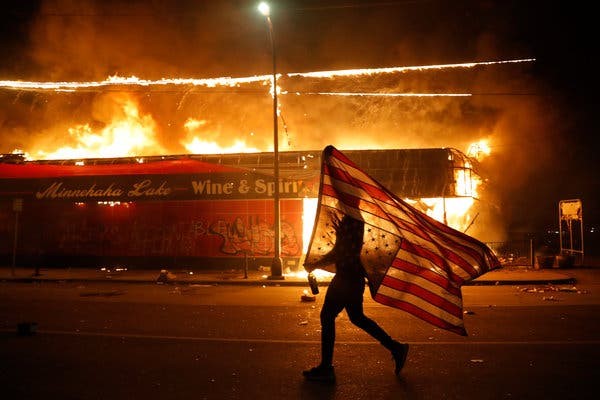
flagViolent men only have eyes for each other. On a street full of bystanders, they see only their enemies. In a room full of reasonable people, the violent ones seek each other out and do their damnedest to drag others into the fray. It’s an odd dance, one which enemies do together, and when they do it right, they lure the rest of us into the performance. None of this is new. Violent men and women, only have eyes for each other.

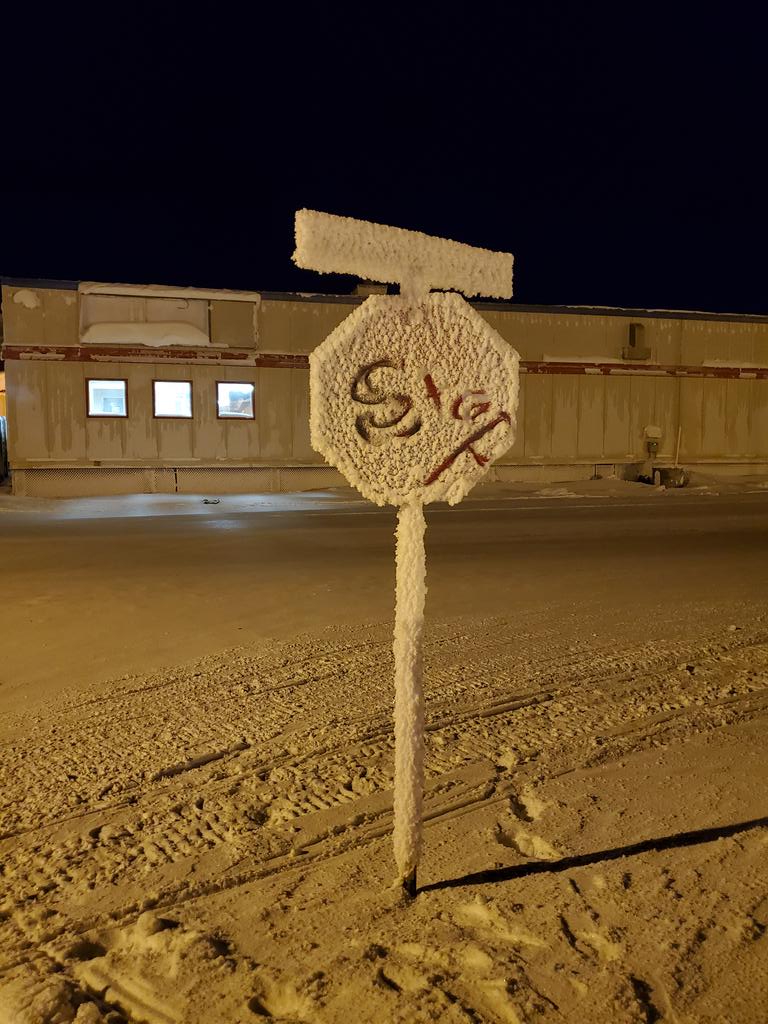
There is a lot of violence to celebrate today, or to decry. And how often does the one turn into the other? A condemnation of violence can easily be a clarion call to strike back, and it can be answered in the same tone.

And thus cacophony becomes a chorus!

None of this really started with the killing of George Floyd, of course; but his death certainly has escalated things a great deal. Some are fighting in the streets, and some are fighting on social media. Some are doing both of course. Either way, that chorus of violent men shouting at each other is getting pretty loud these days.

One of the questions people keep haggling out in the media is just how the violence got started? A protest doesn’t have to turn violent, but many of these certainly did. What was it, or who was it, that pushed all these protests over the top?

The right wing is happy to tell us that it is protesters. They are happily sharing videos of looters, vandals, and beatings occurring in these riots. The more rioters participating in the crime, the better it suits this narrative. It is enough to know that these crimes occur during the riots. This tells us all we need to know, so the right wing suggests; it is sufficient to discredit this entire wave of protests, just as it was enough to discredit the entire Black Lives Matter movement, and any number of other protests in the past. This isn’t a policing problem, so their narrative goes, it’s a crime problem, or even a black problem. The national figures in right wing media won’t quite say the last part of that sentence; they are content to have their followers say it for them.

Others assure us it was the cops, which is certainly fitting, because this was all about cops to begin with. Many who support the protesters will point to numerous instances in which the cops themselves seem to take aggressive action against people who are not really doing anything wrong. This wasn’t the reaction, they will remind us, when armed protesters stormed government buildings not so long ago. …it really wasn’t! So, perhaps the police are the party most responsible for escalating violence in this case? Just as the killing of Floyd points to a need for police reform so does the violence of these riots!

Or perhaps it was white people? By now we have seen enough videos of this; whites breaking windows or spray-painting buildings while black protesters beg them to stop. “They will blame us,” one woman says to a pair of light skinned young ladies with spray cans, and she is right. Her pleas fall on deaf ears, and it’s hard not to think ill of the young ladies as they wander off looking fabulous in their riot-chic.

Donald Trump seems to think it’s ANTIFA. He tells us that the United States declares them to be a terrorist organization. What this means, as far as policy goes, I don’t know. I doubt Donald Trump knows either, but I haven’t yet found the judiciary authority of Twitter statements from the Executive Couch Potato in the U.S. Constitution. Perhaps, Donald Trump has. Who knows what that man hears when others explain things to him! Last I checked, ANTIFA wasn’t even an organization, terrorist or otherwise, but perhaps they become an organization when Donald Trump tweets their governing principles into existence. He may yet have that power. Who knows?

Boogaloo Bois and their kindred are another candidate for the cause of violence. For those fortunate enough to have made it this far without learning of the Boogaloo Bois, let me ruin the world a little more for you! They are a part of a movement intent on starting a race war. ‘Boogaloo’, it seems, has become slang for that war, and so the thinking goes, these folks can bring it about by escalating violence in whatever way possible. In this instance, the suggestion is that Boogaloo Bois, other committed white racists, or even bigoted cops may be engaging in false flag operations, breaking things or carrying out attacks in the guise of protesters. Suffice to say, this prospect folds neatly into the same theme as the white-people-are-doing-it narrative mentioned earlier.

And then of course, there is the general outsiders-are-doing-this theme? In this instance, the idea is to emphasize that the violent perps have come from out of state. What that means is another question. To some, it means they are obviously ANTIFA extremists coming to riot over the usual list of grievances, because that’s what ANTIFA-types do. Damned Anarchists! Others are quite certain this must be boogaloos coming to commit their dirty work in the hopes it will be blamed on African-Americans. Both of these narratives assume clear intent at the outset, though it seems to me some of these out-of-staters may be as prone as the rest of us to get caught in the moment. Either way, I’m pretty sure that those emphasizing the interstate travel theme include a few folks looking at sentencing enhancements and/or federal involvement in what might otherwise be a state crime. It’s one thing to break a window in your home state, but if it can be shown that you crossed a state line for the purpose of doing it, you may be in more trouble than you think.

Conspiracy theories are bunk of course, …except when they aren’t. Violence at protests have often been cause for stories about infiltrators deliberately pushing protests over the line and into genuine violence. Cue the folks saying; “I support protests but not riots” and you now have cause to justify harsh police measures in the short run and to dismiss the cause of the protests in the long run. Whether the culprit is a rogue cop, a random white racist, or any other bad actor, suspicions about such agents are always part of the stories told about protests and the violence associated with them.

What does seem new is the number of videos which seem to show something like this actually happening.

I think we’ve all seen this before, streets filled with conventional protesters and then some guy shows up covered head-to-toe and well-masked, carrying something easily used as a weapon. He makes a bee-line for his target, breaks it, and then makes another bee-line straight out of the scene, leaving other protesters a bit surprised and even confused. We’ve seen that here too, and (this time at least) we’ve seen protesters actively try to stop them. Watching such videos, it isn’t hard to see that such individuals are up to something very different than the average protester. What that is, isn’t so clear, at least not so long as the individuals get away. Of course others will say such incidents are proof positive that a Boogaloo-ANTIFA-Rogue-Cop-Boi is at work, and his actions confirm whichever conspiratorial narrative they happen to favor.

In the coming weeks, we may learn the details of a few of these stories. We may find a conspiracy of sorts explains a burned building here or that beaten man there. We may find cops provoked violence in this city, or the protesters really were just terrible in that one. We may find reason to believe lots of shameless people saw in these protests an opportunity to score some loot from a local store, that some folks will do things they never imagined when they are surrounded by enough angry people doing the same thing. The racists will have plenty of black perpetrators to point at even as others get reason to believe white privilege sometimes carries a spray can or a stick for bashing windows. Those who hate protesters will find plenty in this to vindicate their contempt, and protesters will find plenty of cause in these evenets to take to the streets again some other day.

What we probably won’t have when these riots end (at least I would be damned surprised to find that we do) is evidence that a single one of these narratives explains the whole of the violence occurring in American cities right now. We may well see each and every one of these explanations play out in different stories of the rioting. We won’t get one explanation for all of it. Instead, will will get a range of different stories, each pointing at a different source for the violence. Most likely, people will then cherry pick the evidence to support the narrative best suited to their politics.

Another thing we won’t get in the wake of this, (and please let me be wrong about this!) is a clear course of action for resolving the conflicts that led to these riots.

One other thing we will have, I suspect, is a lot more Covid19 cases.

3iePklBL

In the end, the same divisions that pushed so many of these protests into violence will still be with us. The facts won’t tell us once and for all who is to blame, and even if they did, there are too many people who benefit from clouding the issue. So, the same violent people who found each other in the last few days will be looking for each other in the future. The stories they will tell about this round of violence may yet fuel the next round of it, and we will hear the same violent chorus again sometime on down the road.

Unless somebody figures out a few things BEFORE the next George Floyd. There is a real problem here. That problem didn’t begin with the protests much less the riots, and that problem wouldn’t go away even if we did all get a single villain to blame for all this violence. Someone with the will to make things better and the power to do something about it needs to act.

Right now, I don’t even know who that would be.


Innocent Until Proven Guilty*

Tags

, , , , , , , ,

AA.2Surely, you remember Michael Flynn?

I remember him well.

I remember him leading the chant of “lock her up” during the 2016 election. I remember him pleading guilty to making false statements to the FBI.

Well, charges were just dropped against Michael Flynn.

They were dropped because Michael Flynn is innocent until properly proven guilty.

Do you remember George Zimmerman?

I do.

He was the man supposedly acting as neighborhood watch when he took a gun and went in search of Trayvon Martin, because Trayvon looked like was up to no good. I remember George Zimmerman was found not guilty in the subsequent trial. I remember countless right wingers lecturing the rest of us about how George Zimmerman was innocent until proven guilty. Many of those same people now tell us stories about how that thug Trayvon attacked Zimmerman without provocation, forcing Zimmerman to shoot him in self-defense.

That’s the story they tell. A story in which Trayvon stands charged, convicted, and executed without a trial.

Because George Zimmernan is innocent until proven guilty!

Do you remember Brett Kavanaugh?

Of course you do.

We are all reminded of Kavanaugh every time the well-stacked right wing Supreme Court delivers a decision. Kavanaugh sits on that court, because he was innocent until proven guilty.

Kavanaugh’s accuser Christine Blasey Ford is of course a lying scumbag who made up accusations against Kavanaugh as part of a liberal plot to keep him off the Supreme Court, so I’m told at any rate. She didn’t prove her case in Kavanaugh’s confirmation hearings, and the reason is obvious to those now happy to have him on the court.

Christine Blasey Ford is guilty because Brett Kavanaugh is innocent until proven guilty.

Do you remember Sandra Bland? She died in the custody of the Sheriff’s Department in Waller County Texas. Nobody was charged, because folks at the Waller County Sheriff’s Department are innocent until proven guilty. How about Timothy Loehmann? He’s the police officer who shot Tamir Rice? He was never prosecuted either, because Timothy Loehmann is innocent until proven guilty. Do you remember Daniel Pantaleo? He’s the police officer who choked Eric Garner to death over loose cigar sales. He wasn’t prosecuted either. Because Daniel Pantaleo is innocent until proven guilty. Do you remember Michael Slager? Okay, that fucker is just guilty! But do you remember Freddie Gray? He died over a pocket knife. All the officers involved in his case were innocent until proven guilty. Yes, they were!

How about Philip Brailsford? He shot and killed Daniel Shaver in a Hotel in Arizona. Brailsford was innocent until proven guilty.

Now we have the case of Ahmaud Arbery. Oh, don’t worry. he’s not accused of anything. He was just jogging. A black man, out jogging! That’s definitely not a cime. But apparently, a couple white men (Greg McMichael and Travis McMichael) decided that Ahmaud might have been a burglar, so they tracked him down and confronted him with a gun. Now there is some reason to believe Arbery might have been the aggressor at the point he was shot. …twice? What he was doing at that moment we will never know, but I reckon he might have meant to defend himself from two crazy white men with a gun. Such considerations won’t matter in the long run, because the McMichaels are entitled to a fair trial, and such speculation will not be relevant in a fair trial.

The McMichaels are both innocent until proven guilty*.

Of course.

***

* Some restrictions apply.

Obviously!

Happy Seward’s Day!

Tags

, , , , , , , ,

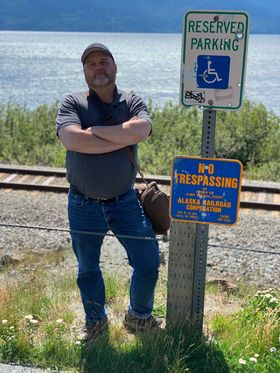
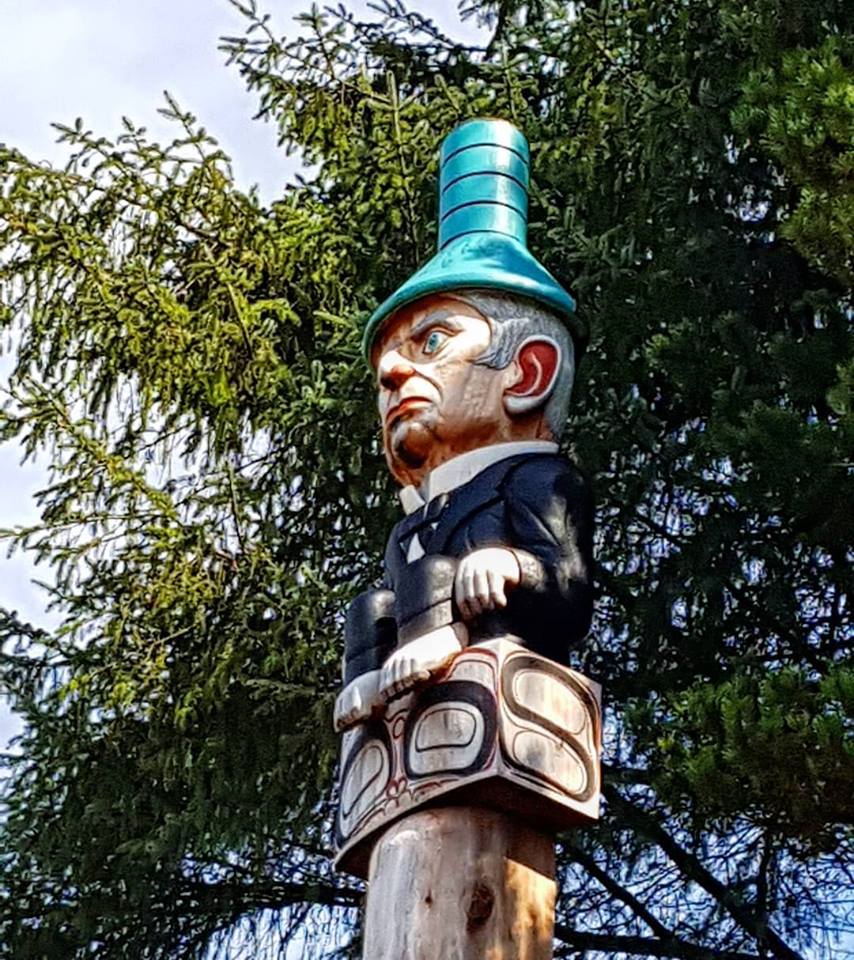
Not to be sarcastic or anything, but I’ll just leave this here.

31280051_10216222128450975_6457664555075357310_n