Once Upon a Charlie

Tags

, , , , , , , ,

I was born in 1966. I grew up hearing that there was something special about the decade of my birth. What that was, and whether or not it was a good thing was never all that clear. You’d hear different messages from different people, and sometimes even from the same people, but whether they were celebrating the peace and love or griping about the Goddamned hippies, everyone around me seemed back then to agree that something big had happened in the sixties.

But what was it?

And what happened to it?

To hear Hunter S. Thompson tell the story, the Sixties crashed like a wave upon the outskirts of Las Vegas and receded back toward the West Coast. For Joan Didion, or at least for the ‘many people’ she mentions in “The White Album,” the sixties ended on the night of the Manson murders. There are other candidates for the death knell of the sixties, but the issue isn’t simply a break in the pop-culture timeline or the social geography of the nation. Each of these purported breaking points become a kind of lens through which people now view the sixties. Each such post-mortem report is an invitation to see the sixties in a certain way from its beginning to its end. In such stories, the dismal end of the era is always a sour version of its beginning, a spoiled version of some initial promise. We can almost see a trace of free love in the brazen sexuality of modern pornography. The voice of Timothy Leary seems to echo in the background of contemporary drug abuse. We can hear the flaunting of social conventions in the incoherent rantings of an imprisoned Manson. Much of the modern world seems almost to appear as a betrayal of some hope that once flourished in the sixties.

For some people anyway.

Whatever that hope might have been was for older generations, for those who came of age in the midst of the decade. Those of us who were literally children of the 60s generally grew up knowing that we had arrived a little too late.

But too late for what?

We catch just a glimpse of an answer to that question in these post-mortem reflections.

***

I was thinking about this the other day as I watched Charlie Says. What brought it to mind was…

SPOILER ALERT!!!!

…the final scene.

As the film ends, Leslie Van Houten, or ‘Lulu’ as Charlie dubbed her, sits in her cell reflecting her time with Manson. Having finally come to the realization that her violent crimes were all for nothing, She recalls a moment in her life, a time when a biker showed up to take her out of the Spawn Ranch, away from Manson and his control, and of course, well away from the crimes she would later commit on his behalf. As this event actually unfolded, so the movie tells us, Van Houten told the biker she wanted to stay and he rode off without her. In that final scene Van Houten imagines she’d taken him up on it; she imagines herself climbing on the back of his bike and resting her face against his back, sunlight shining down on her cheeks as he rides her off to safety and away from a life lived in the wake of a notorious crime. It’s a vision of freedom.

It was a freedom she did not have the courage to claim when she had the chance.

We watch that freedom slipping away from Van Houten throughout the movie as Manson turned free love into sexual domination, and freedom from the rules of civilization into life lived by his rules and his whims. We see her lose that freedom in stages, always drawn in further by the promise of it. The freedom from conventional culture seems to haunt the entire movie in much the same way that the entire decade haunts the popular culture today. Van Houton seemed to be chasing the ever-elusive sixties the entire time she spent with the Manson family.

…only to missed it completely.

Of course, this isn’t actually a story about the 60s; it’s a story about Lulu, a young woman who never achieved the ideals she might have hoped for, even as she dove whole-heartedly into the values and cultural motifs of the era. In the end, Van Houten is left dreaming of the freedom she once sought from within the confines a prison cell.

Leslie Van Houten is iconic figure of the era, a woman so intimately connected to the sixties, her story is bound to come up whenever people today speak of the decade, but her significance is as perverse as it is tragic. She is for ‘many people’ the death of that very era, so Didion tells us. But it’s the death of something never fully realized in the first place. The sixties rest always a little beyond the events of her life, out of reach, and receding ever further into the distance with every passing moment.

We could of course think of it as a story about Leslie Van Houten and the rest of the Manson family.

It could just be that.

But it’s also a meditation on the sixties itself.

And in this story, the sixties never become real. The decade appears as a false promise in moment after moment of the story. It ends as an idle fantasy of a woman who ruined her life and that of many others in pursuit of that very fantasy.

***
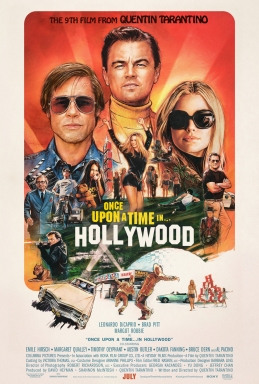
I can’t help but to compare this fantasy sequence to that of “Once Upon a Time in Hollywood.” If “Charlie Says” ends on a fantasy sequence, the fantasy-sequence in Tarantino’s story runs for the whole length of the film. It too indulges in an exercise of wish-fulfillment, and it too uses that exercise to say something about the sixties.

For Tarantino this is a conflict between old Hollywood and the counter-culture. His heroes have little but contempt for the hippies they encounter, and it isn’t because they know these particular hippies will become murderers. No. their contempt echoes that of so many middle Americans for whom the lifestyle of the counter-culture was sufficient to trigger all the contempt they could muster. Sure, Tarantino’s protagonists might have had some use for the free love, and they could even try a drug or two, but they were never going to embrace these things as a way of life. No, the drug of choice for conventional Americans was always liquor (and of course Mama’s Little Helper), and free love was just an opportunity to get laid. The sixties might have posed a few extra thrills, but for so much of America, it was also a genuine threat to very lifestyle in which such thrills might make sense to people. This was the response that so much of America had to the sixties; and it’s the attitude of the main characters in Once Upon a Time in Hollywood.

Whatever ideals the hippies of this era might have pursued, they were of little or no consequence to the lives of Tarantino’s fictional Hollywood star and his stuntman sidekick. To them, hippies were a source of annoyance (if also fascination). They seemed to see the sixties through the lens of the fifties, as a possible threat to the establishment. As men whose livelihood was tied to the old Hollywood movie system, these characters were hardly going to support any revolution.

Violent or otherwise.

But of course the fantasy in this film is incredibly violent. Once Upon a Time in Hollywood invites us to imagine an answer to the real life violence of the Manson murders in the form of a classic Hollywood formula. What do you do about people like the Manson family? Well, a Hollywood stuntman beats the shit out of them just before the star comes in to finish the scene.

If Tarantino has any doubts about the authenticity of the Manson family as symbols of the sixties, he doesn’t seem to raise them, not in this film. His stars accept the Manson family as perfectly suitable representatives of the hippie-subculture. In killing them, the stars not only save the lives of Sharon Tate and other victims, they crush the hopes and dreams of the counter-culture movement and vindicate the conventional dreams of middle America.

There is something particularly fitting in the notion that a Hollywood star and his stuntman could be the answer to the real-life killing of a famous actress and her companions.

It’s a poetry of sorts.

***

If the Dream in Charlie was one of an escape from the horrors of the Manson family, the dream in Once Upon a Time is about the violent defeat of those same horrors.

…and perhaps the trace of a wish that the challenge posed by the sixties had proved to be so simple.

If we can imagine what the sixties might have meant to Leslie Van Houten in Charlie Says, the question is hardly relevant to the story in Once Upon a Time in Hollywood. Van Houten won’t even be there at the end of the story to contemplate her mistakes.

Whatever promise the sixties might have meant to anyone, it was of little concern to the characters in Once Upon a Time in Hollywood. Their hopes and dreams had been framed in the 50s, at the height of the post-war boom. To them, the sixties were a threat that walked up the street and entered the wrong house for no good reason.

That threat died at the business end of DeCaprio’s flame thrower.

An Announcement Story

Tags

, , , , , , , ,

Donald Trump promised a major announcement today, and of course the world of MAGA was filled with speculation as to what that would be.

Apparently, it’s this.

In other words

“Drink more Ovaltine!”

Trolling the Science

Tags

, , , , , , , ,

The first scene in Troll opens with a father teaching his child to see trolls in the mountains. She is skeptical, but he urges her to make an effort. To see them, he reassures her, she must first believe.

And she does!

Thus, another just-so narrative is born!

Or at least, a rather common just-so cliche gets another go at audiences.

The thing is, I could almost have gone along with it, if the movie-makers in this instance had only had the confidence to invite us to live in a world where a troll can just come out of the mountains and make himself a menace to humanity. They could have simply asked us to run with that premise. That’s what Troll Hunter did, and it was brilliant. But Troll wants to talk to us about it. They want to argue with us about it.

Or at least the characters in the film want to argue about it.

I just can’t imagine why?

At least I can’t imagine a good reason.

The movie’s main character, Professor Nora Tidemann (played by Ine Marie Wilmann) spends much of the first act trash-talking science and scientists. That she is a scientist herself could be an interesting paradox, if only she and her antagonists had anything interesting to say about the matter. It would also help if the scientific establishment in Troll was anything but a willfully obtuse little whipping boy.

For their own part, Tidemann’s skeptics have little to offer but their own refusal to believe the obvious facts of the universe they live in, that is the one in which a troll really does walk out of a mountain and start killing people and breaking things. So, it’s left to Tidemann to tell them what they are seeing, and the resulting debate is a string of arguments we’ve seen in countless B-grade fantasy and horror films going as far back as I can remember.

This isn’t good story telling.

The troll himself is good storytelling. He is interesting. Hell, he was awesome! He looked cool enough, and his behavior invites us to consider a whole range of much more interesting questions. He was menacing enough, true, but the Troll also showed traces of compassion. As the storyline developed, we even began to get a sense for how he could be approached, for what might make the difference between a violent encounter and a peaceful one. What made the difference in this instance was almost interesting, and it almost mattered.

Almost.

In any event, the troll in this movie was actually pretty cool.

It was the people that sucked.

The people sucked because they were using the troll to rehash an old and entirely contrived debate about the limitations of science and rationalism. Because that debate was hardly compelling as a storyline, I have to believe it wasn’t really there in the service of the story. The debate was there because someone behind the making of this movie thinks they have a point to make about the limitations of science. Someone believes that message – that you must believe in order to see – is a point worth making. So, when Tidemann’s father tells his daughter to do that in the opening scene, and when she later repeats that message to the rest of the scientists throughout the rest of the movie, that is someone behind the making of this movie speaking to the rest of us, telling us that we must believe in order to see.

If only the people telling us this had the courage of their own convictions, the story might have worked. Had they been willing to show us a world full of trolls and let the characters (along with their audience) run with it, the whole story might have worked. But they had to argue with us. They did so through the voices of their less-than-compelling human characters. The argument was never more than a childish exercise in special pleading, all quite unnecessary, because the story presents the existence of trolls as a fact. Those still reluctant to acknowledge their existence well into the second act come across, not so much as scientists or skeptics as outright fools. They do so because they are denying obvious facts, and because their denial is clearly unreasonable at that point in the story. And so we are left with the notion that a kind of blind faith has proven itself out, that it is the characters who choose to believe in order to see the troll that understood the assignment, that such faith and such faith alone was the only hope for handling the troll in this story. Science and skepticism failed in this instance because they were simply written that way. And because the movie invests so much time in the arguments between the skeptics and the believers, I do not think it unreasonable to suppose the movie-makers wanted us to take their arguments seriously.

Only these just aren’t serious arguments.

They are tiresome cliches.

The troll deserved better!

The Killer is in the Details.

Tags

, , , , , , , ,

Okay, this is just silly but…

I noticed that “Navajo Blues” can now be found on Youtube. This is a clunky old crime story with a Navajo cop and a Vegas cop providing the obligatory odd-ball team of police officers. It’s one of the sillier movies that Irene Bedard has made in her career, and I’m sure that I could find all manner of absurdities in this flick if I went back and watched it again. (A misplaced casino and some roadside sand-paintings come to mind.) Still, one particular thing stands out in my mind. I first saw this film when I was living in Fort Defiance, Arizona, a short drive from Window Rock, and a long drive from Las Vegas. I made the first drive every day to and from work, and the latter about once every month or two so as to visit friends and family in the Vegas area.

Point being that I was pretty familiar with the drive out I-40 from Vegas to Window Rock. Which is why I was pretty surprised to learn that one of the main protagonists of this film, a cop from Vegas, was going to fly out to Yuma so that Irene Bedard could go pick him up at the airport.

Yuma?

I kept thinking, is that even closer to Window Rock than Vegas?

Turns out it is.

By about 2 miles.

…which might just prove that Irene Bedard is about nicest person that ever lived. Who else would drive that far to meet someone too stupid to find a closer airport?

(You can find the reference at about the 19-minute mark.)

A Very Lemmingful Summer

Tags

, , , , , , , ,

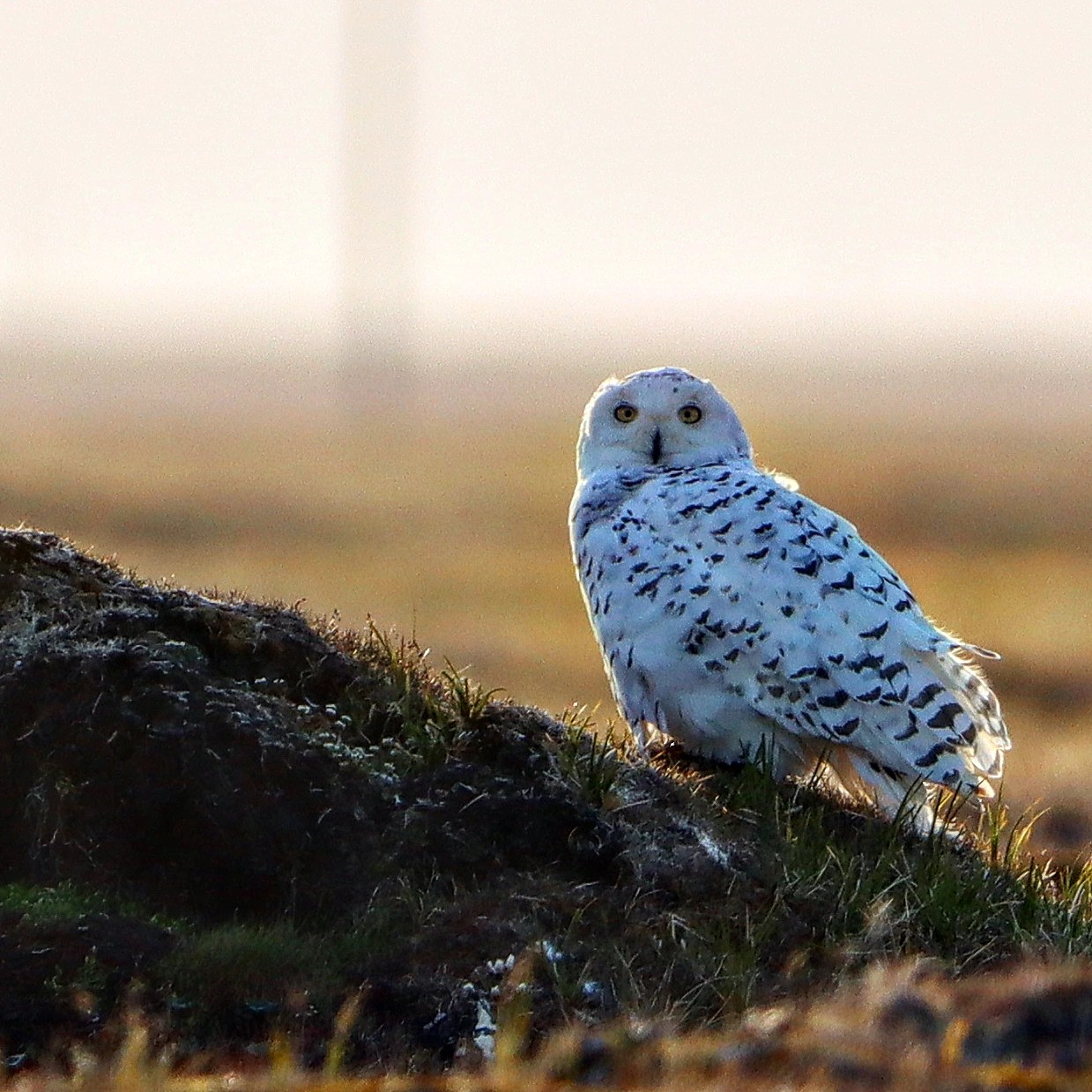
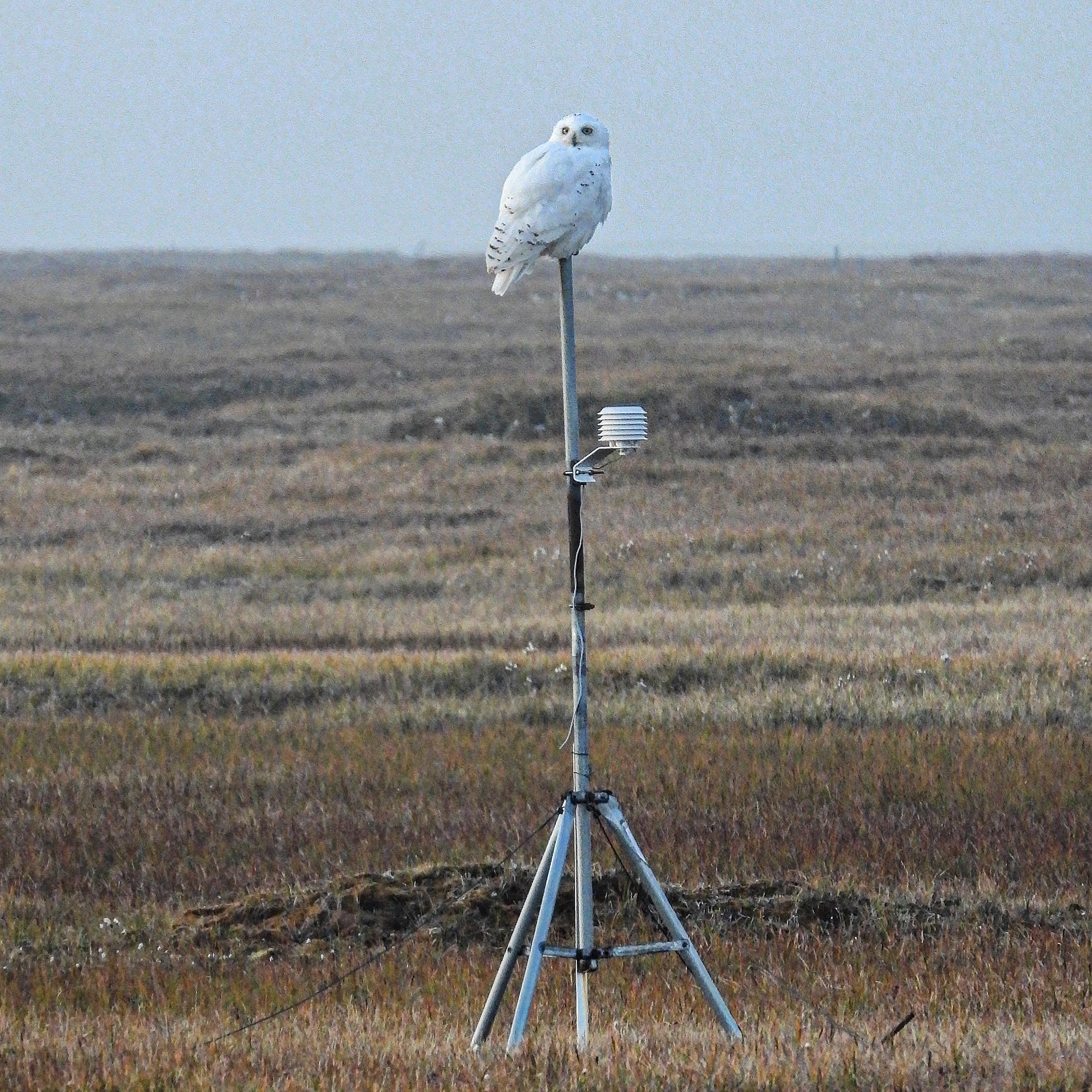
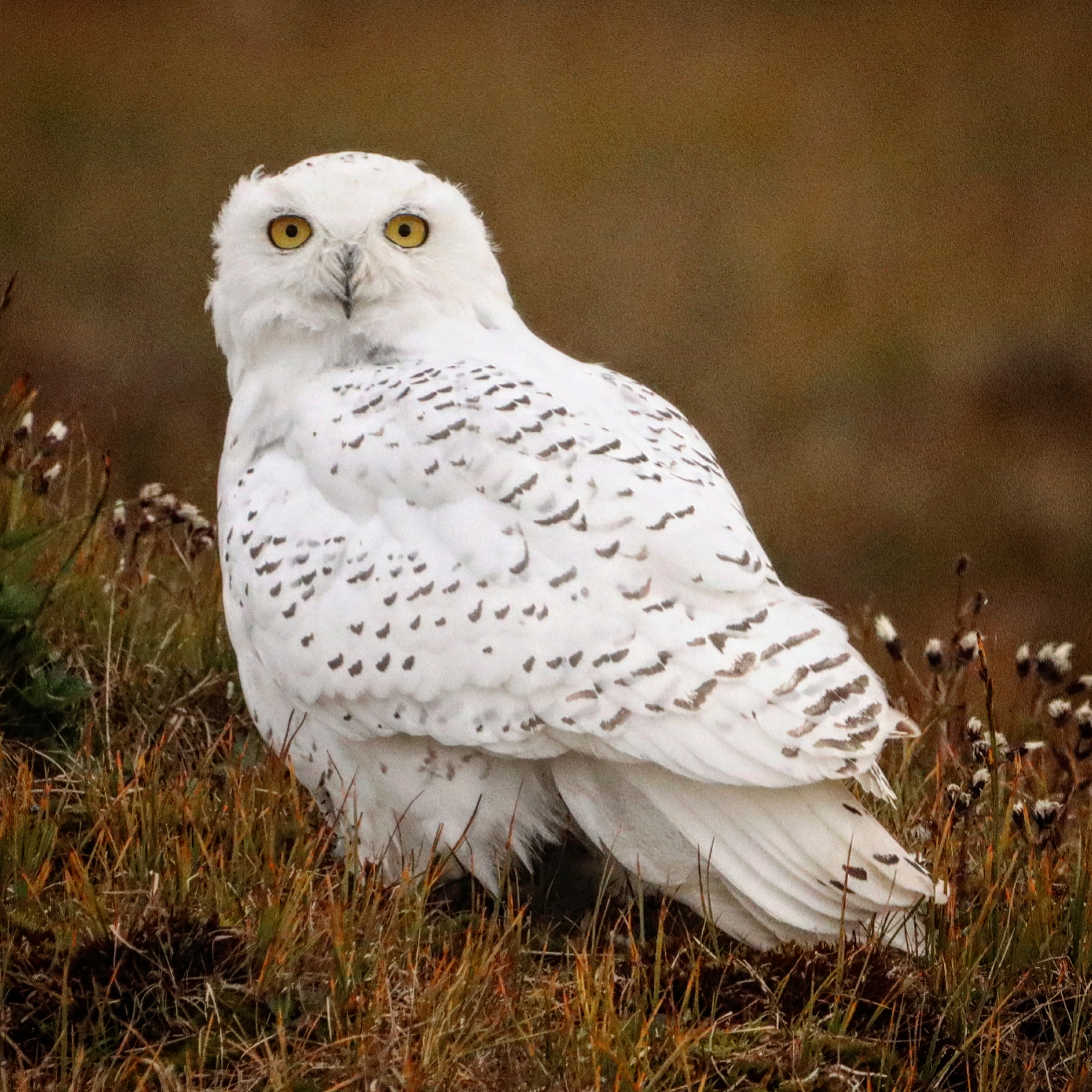
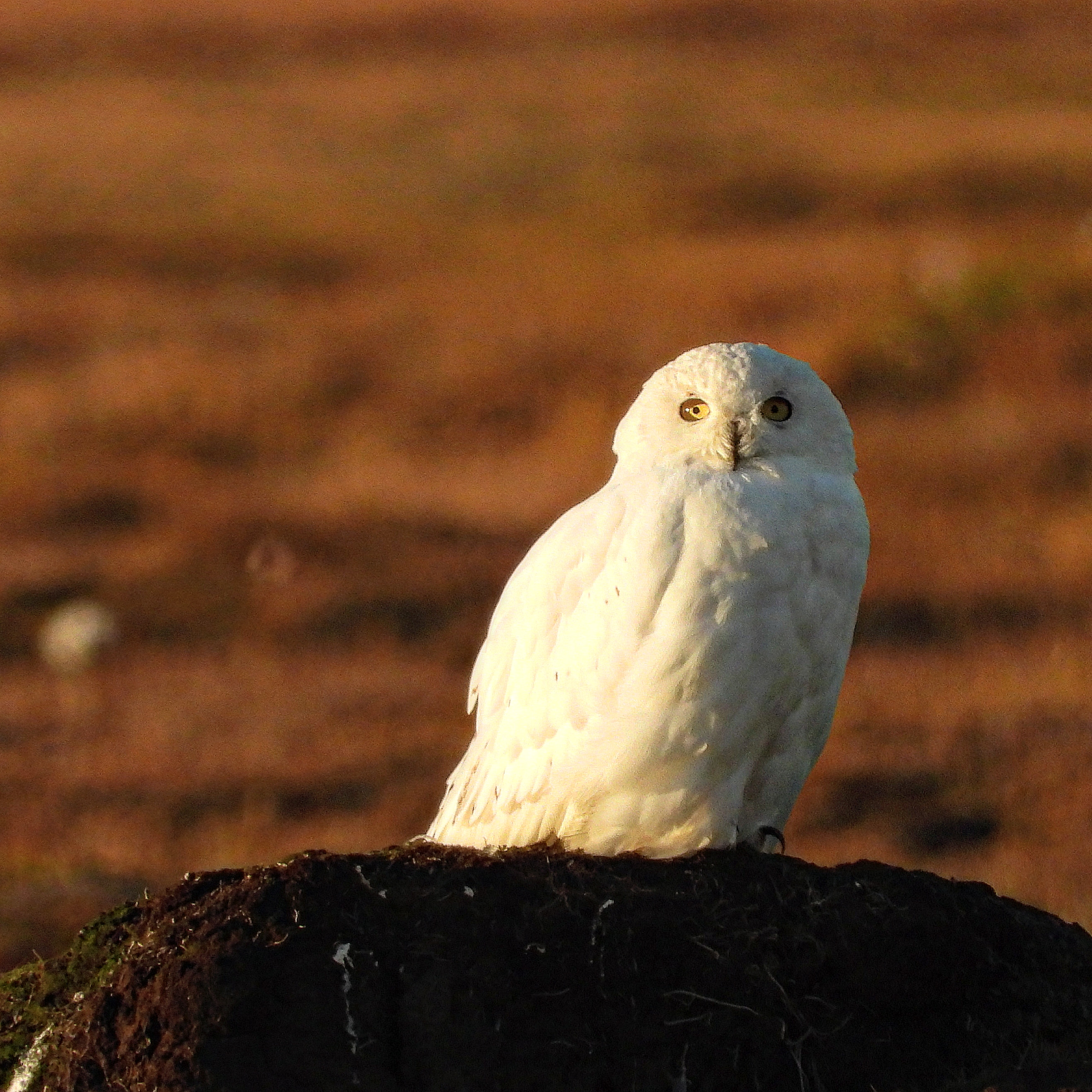
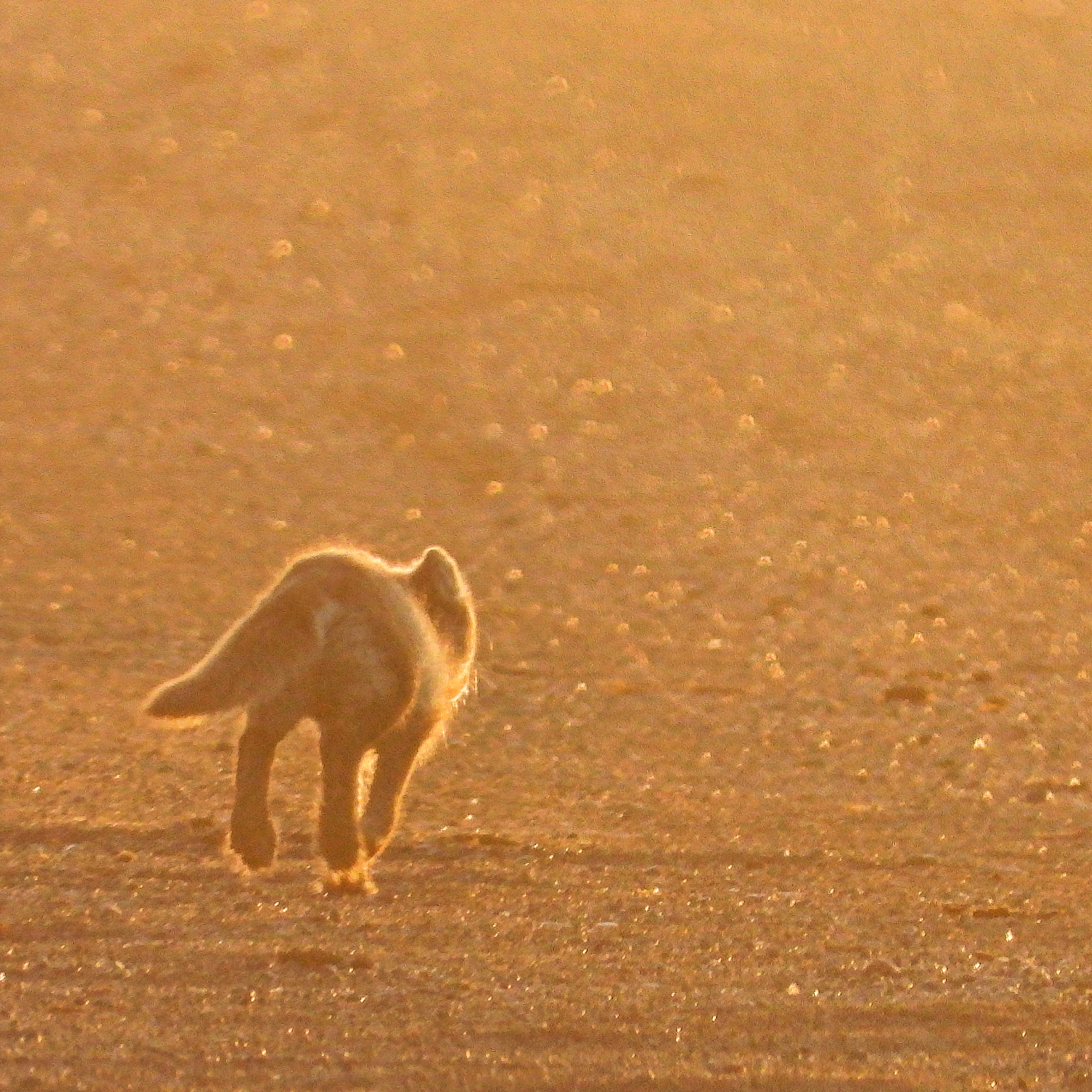
This last summer seems to have been a good one for lemmings. I even caught a few decent pictures of the little guys, but more importantly, lemmings bring friends with them.

By friends, I of course mean, predators.

Which isn’t very friendly, but…

The owls mostly left a little over a month ago. I’m sure, there area few still around, but not in significant numbers, For their own part, the foxes got a little too numerous and a little too dangerous to the two-legged population around here.

Culling happens.

Anyway, it was an interesting summer.

(Click to embiggen)

(No, really. Click to embiggen!)

From San Antonio, Texas to Beulah Colorada.

Tags

, , , , , , , ,

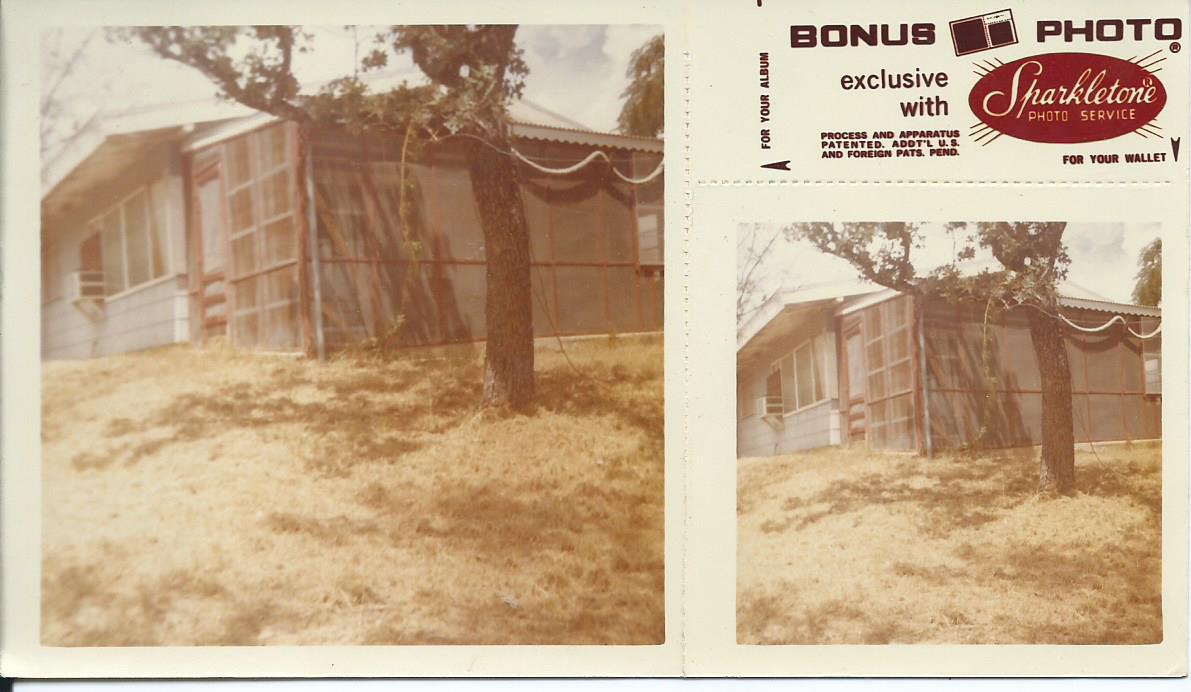
Lake House

I was four years old.

I remember, I was stringing beads at the kitchen table in our home in San Antonio, Texas, when Mom and Dad came to get me. They told me not to worry about the beads; just leave them there. We got in the car (an old black Volkswagen hatchback) and drove off.

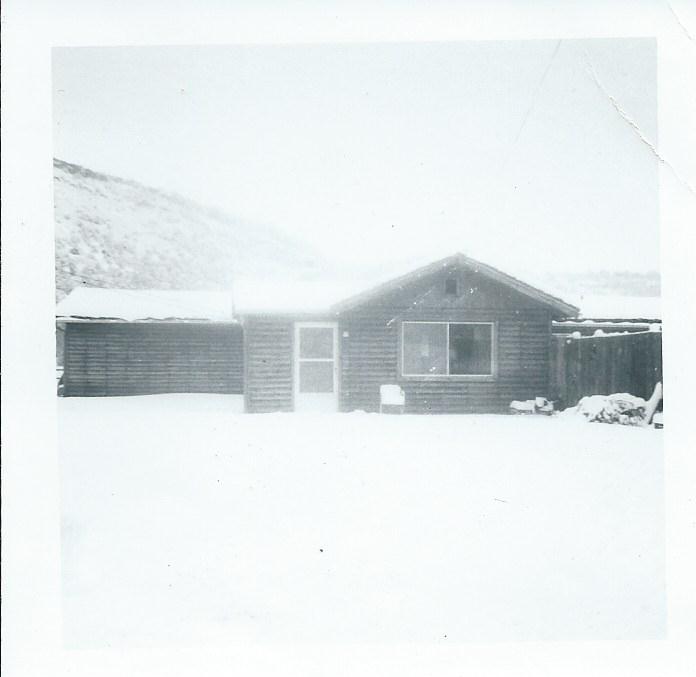
Hours later, I was still thinking about the half-finished string of beads still sitting on the kitchen table back home. I kept wondering when we would get back to I could finish the string. Several more hours later, as great big snowflakes began to smack up against our windshield, I came to realize I probably wasn’t going to get to finish the string of beads after all. We eventually piled into a strange new house and promptly moved right in before going to bed. Mom said she packed the beads after all, but she wasn’t sure where they were. The next day, my older brother and sister took me out to play in the snow of our great big back yard. We made a snow man, something I’d never seen before, and then my brother took a running charge and tackled it. This small ranch in what seemed like the middle of nowhere was our new home.

I stopped worrying about the beads after that.

But I did think a lot about Texas,

Beaulah

Sometime later, I remember sitting around a dinner table eating fondu (it was the seventies, after all). The rest of the family was chatting away with the dinner guests, and their conversation puzzled me. They kept talking about how everyone back home in San Antonio talked in a funny way. I distinctly recall, my sister telling a story about a friend who used the word ‘y’all’ in the conversation, and of course there were the usual comments about how Mom’s speech had already come to match that of everyone else back in Texas after just a few years in the area. The laughter was all in good fun, but I simply didn’t understand. Almost all of my short life had been spent in San Antonio, Texas, and I hadn’t noticed anyone talking funny.

Anyone!

Eventually, we took a quick trip back to Texas for a couple days. It must have been a good year or so later. Dad sold our small vacation place on LBJ Lake and bought a Ford Pick-up before driving home. While there, I remember seeing one of my old playmates. We talked for a few minutes, but something was different. I remember one thing in particular.

He said; “So y’all goin’ back to Colorada?”

And I suddenly realized that he DID talk funny. So did everyone else here! How I hadn’t noticed before would remain a mystery to me for quite some time, but he and everyone else in Texas definitely did talk funny.

***

THAT, is how I first became aware of accents.

When Sex Falls Out of the Performance

Tags

, , , , , , , ,

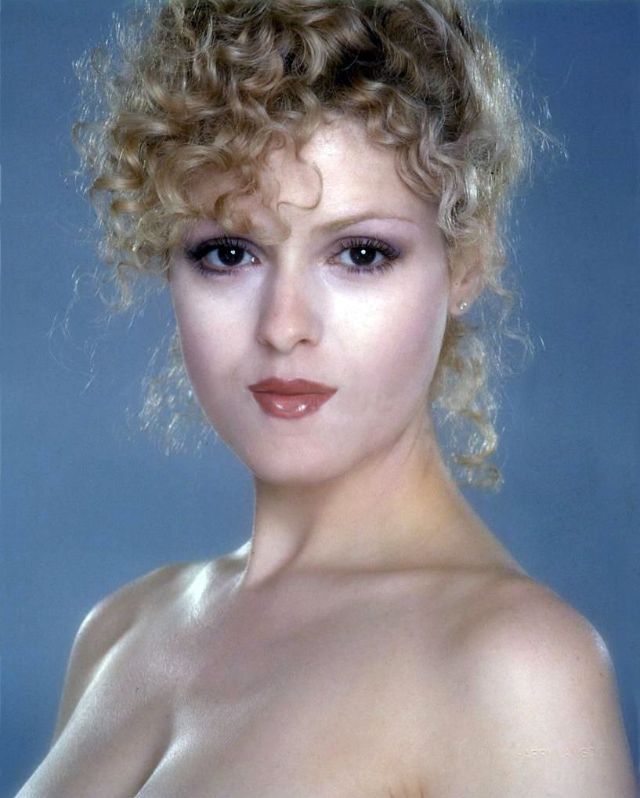
It was Bernadette Peters, I believe, but somewhere she gave an interview in which she said she would never go topless or nude in a movie, because the minute she did she would no longer be her character in a story; she would just be Bernadette peters in the nude. Peters had certainly played some very sexy roles, but as she explained it, actual nudity was simply out of the question. As I read the article I was half-hoping to learn of some new sexy performance from Peters.

So yeah. I felt pretty called out on that one.

Course, this was in the early 90s, so my memory might be off. I can’t find the interview now, but I distinctly recall the feeling of disappointment I felt in realizing I would never actually see Bernadette Peters naked on screen. I also remember realizing immediately that she had made a very good point. I felt then as I do now that I could think of instances in which nudity on screen had worked wonderfully in the service of the story, but I could also think of far more times when the effect of on-screen nudity had worked exactly as Peters had described, leaving me thinking about anything but the story on screen.

I somehow doubt that I am alone in this.

There is a scene in Frida that bears out Peters’ point, perfectly. You know the one. I remember the surprise I felt in watching it for the first time. This was Salma Hayek doing a bit more on film that I had seen her do in the past, and she was just as beautiful as ever, as was the woman she was with. It felt like an answer to some long-forgotten prayers. Well, it felt like that for a moment or two anyway, and then it just felt out of place. I had been watching a serious film about an amazing artist whose body of work testified to a lifetime spent in constant pain; and then suddenly I was looking at something straight out of late-night cable. I was no longer looking at Frida Kahlo, or watching her life story unfold. I was just watching Salma Hayek with another woman in a lurid performance aimed at pleasing horny heterosexual males just like me. It was a moment of shameless pandering stuck in the middle of an otherwise challenging story. That scene simply didn’t belong.

I could practically hear Bernadette Peters saying; “I told you so.”

I found the whole thing very odd, even irritating if also kind of amusing, but I never understood the scene, not until Salma Hayek’s piece in the New York Times detailing how it came about, and fuck Harvey Weinstein anyway!

I can still hear Bernadette Peters saying “I told you so,” only now she isn’t laughing when she says it.

There is something about sex and sexuality that threatens to strip away the context of performance even as it strips the clothes off of performers. It doesn’t always do this of course. Even the most sexually explicit performance can complement a performance quite beautifully and quite effectively. Still, for every raw performance that leaves one thinking that was exceptionally well done, there are so many more that hardly qualify as a performance.

Sex isn’t the only thing that does this of course, violence and politics, can intrude upon a storyline as well. So can star power. It’s long been a truism that John Wayne always played himself, no matter the part, he always played himself (and of course John Wayne himself was as much a fiction as any part ever played by any actor). How often do you really forget that Tom Cruise is Tom Cruise or cease to think of J-Lo as anyone but J-Lo, unless you are watching one of the many gems she did before becoming an abbreviated persona? There are of course a host of things that can pull us out of any story that we care to watch. Still, sex and sexuality seem to have a special power to knock down the fourth wall at any given moment, and call our attention to anything but the story in question.

This might be more true of American audiences than others; we are an exceptionally juvenile bunch when it comes to that topic, but anyway…

This fall out of performance can be exceptionally obvious at times, as when Hally Berry revealed her breasts in Swordfish. As I recall, this was the first time, she had done nudity on camera, a point worked well into the buzz for the movie. And then the moment came in the film, and it was so obvious, so blatant, you could almost hear her saying; “Here they are, boys; happy now?” It was either the dumbest thing Berry ever did in a movie, or the most brilliant. I’ve never been sure which.

Sometimes, it can be more toxic than others. The fact that Marlon Brando and Bernardo Bertolucci agreed that his character would sodomize that of actress Maria Schneider without telling her in advance might just be the worst example I can think of. Hearing Bertolucci describe this as horrible “in a way” is about as outrageous as it is sad to learn she “felt raped” afterward. I’m not even sure if this stunt took audiences out of the scene, or even if audiences were ever that invested in the real storyline for Last Tango in Paris, but it’s perversely fitting to think that the director did this so as to get a more realistic take from his actress; thus aiming to achieve a more authentic performance precisely by making sure it was in part, at least, no longer a performance.

Knowing this now, can anyone still watch that film thinking about the characters?

To lesser degrees, I think I have seen this in other productions. Arnold Schwarzenegger and John Milius have quite a laugh on the director’s commentary for Conan The Barbarian, talking about how a woman who played a slave given to Conan for the purpose of breeding didn’t speak enough English to fully understand what she was being asked to do. According to them, she really was scared of Arnold, just as her character seemed to be in the scene. Which is funny. Or not all, really. (A part of me wants to believe, Arnold and John were making that up or at least exaggerating it, which would of course underscore the degree to which what actors say of their films is often a performance in its own right, but seriously, I have no real reason to doubt that they really did put a half-naked woman in a cage in front of a strange man without ensuring that she understood what was happening and felt safe about the whole thing.)

…dammit!

It seems, the old Hitchcock line, “torture the woman,” isn’t about the character.

On a more trivial note, the absence of explicit sexuality can also prove distracting. How you get to the point where that can be a problem in the first place is another question, but Austin Powers parodied this wonderfully with its absurd moments of implied nudity. What makes it funny is of course the many times we have seen just that in a film, someone naked, or nearly so, and still somehow find everything coincidentally covered up.

I had a similar feeling watching the love scene between Rhaenyra and Ser Criston in House of the Dragon. Others have referred to this as an unusually tasteful scene in comparison to past treatment of sexuality in the Game of Thrones franchise. I can’t help thinking the comparison between House of the Dragon and Game of Thrones was the driving narrative in this scene to begin with. Knowing the series had taken flack in the past for gratuitously explicit scenes in storylines driven by male characters (and an overall indulgence of the male gaze), one couldn’t help but wonder how the prequels would deal with such matters? If that scene was, in part, an answer to that question, then the question itself intruded on the story, and the history of the franchise became in that scene, for a moment, at least, the real point of the action. That the scene gracefully avoided quite showing the audience any real body parts would seem to be part of the answer. Of course. the extras in the brothel scene might tell a different story (both in and behind the performance), but when Rhaenyra and Ser Criston came together neither Emily Carey nor Fabien Frankle upstaged their own characters, so to speak.

Or didn’t they?

The relatively modest performance in this instance, was itself an answer to a question not shaped within the story itself, and the end result would have been fitting for the cover of a romance novel.

But perhaps that is the real problem here. When it comes to sex, I suppose they really are damned if they do and damned if they don’t, because we really will be distracted if they do and distracted if they don’t. Sexual mores are an unusually fluid area of ethics, not the least of reasons being that rules proscribing sexual conduct (including public nudity) effectively serve to make the conduct more interesting, and of course every effort to increase acceptance serves simultaneously to make the conduct in question less interesting. So, the boundaries of appropriate sexual behavior are always in flux. This is as true in real life as it is on screen. The question of what is or is not acceptable is always on the table when it comes to sex, and so the question never really sits in the background. Some answers are better than others, and some are downright awful, but we always notice how a film chooses to answer that question.

Sometimes the answer is all we hear.

Or see.

Of Words that Won’t

Tags

, , , , , , , ,

I believe I was in college when I first had someone tell me I shouldn’t use the word ‘Indian.’ I had certainly heard plenty of critical commentary about Christopher Columbus, and at least some of that commentary had included a remark or two on the absurdity of applying the word ‘Indian’ to the indigenous population of the Americas. Still, in the lily-white neighborhoods of my upbringing, this word became just another absurdity in a world that already had plenty of them. So, when my Navajo classmate, Wendy, expressed a clear preference for ‘Native American,’ this was new. What was new about it wasn’t the critique of the word ‘Indian’; it was the sense that the critique mattered.

I wish I could say that I responded appropriately, but I’m afraid I can’t.

There was whitesplaining; let’s just leave it at that.

***

Admittedly, the rest of this post could qualify as more of the same. I hope not, but we’ll see…

***

I’ve heard a couple of interesting theories about the origin of the term, ‘Indian,’ but I’m not sure that any of them have really nailed down the concept. Origins are not the only rubric by which we might assess the meaning of a term, and folk-etymologies are infamously inaccurate, so the whole question of where the word came from has to be taken with a grain of salt.

Anyway…

The notion that Columbus thought he was in India is an incorrect correction, at best. Columbus thought he was in the East Indies. That may sound like a fussy point to make, but folks ought not to point out one mistake only to land on another. Somewhere in his work, the historian of religion, Sam Gill, suggests that Europeans used the term ‘Indian’ (or ‘indios’) as a kind of catch-all category for everyone who lived east of the Indus River. By this account, the problem with the term is not so much a clear factual error as a kind of vagueness, that and a kind of projection of the European imagination into new territory. It’s not at all unlike those associated with ‘orientalism’ in other historical contexts.

Another interesting take comes from the noted activist, Russell Means. According to Means, the term originally meant “‘under God,’ thus making it an accurate observation of the spirituality of America’s indigenous peoples. At a time when many were switching from ‘Indian’ to ‘Native American,’ Means embraced ‘Indian,’ even insisted upon it. Of course, this may have had something to do with branding. Means was of course a long-time member of “The American Indian Movement (AIM),” which might have given him a little extra reason to hold onto the label. In the end, it seems that most of those seeking to refer to the indigenous peoples of North America with a degree of respect have shifted to ‘Native American.’ Mileage always varies, but ‘Native American’ seems to be the norm at this point.

***

I am occasionally reminded that there is at least one problem with ‘Indian’ that “Native American’ does not solve, that is the vagueness of such a catch-all term. This vagueness facilitates a range of problematic thinking. For example, I lost track of the people who asked me if I lived in a teepee while I was living on the Navajo Nation. The Navajo people had never lived in teepees, but the imagination of the American public (and the world at large) often puts them in teepees for the same reason that it put so many peoples from the great plains in Monument Valley for so many classic westerns. To the public at large, an ‘Indian’ is an Indian, and because we can use the same word for so many peoples they think the word must tell us something about all those people. That the term is really little more than a default category for a broad range of people doesn’t seem to enter folks thinking, at least not without first giving them a verbal shove in the right direction. Still, to the degree that this is a problem with ‘Indian’ that problem is not much improved by saying ‘Native American.’ People can infer far too much from “Native American” just as they do “Indian.” It might be more polite to use the former, but it doesn’t do much to improve the understanding.

Since I began focusing on Native American studies in grad school, I have had a couple friends and family ask me what “Indians believed” about topics like God, reincarnation, or the afterlife in general. Today, I am sometimes asked what ‘Native Americans’ think about the same topics, and the foolishness of the question is not changed in the slightest by the more respectful label. I often find myself responding to these questions by asking which tribe? Others might ask them why they are asking these questions of a white guy? In any event, the problems with such questions are not much improved by the change in vocabulary. Whichever word we might use, the question assumes implications that just aren’t there.

***

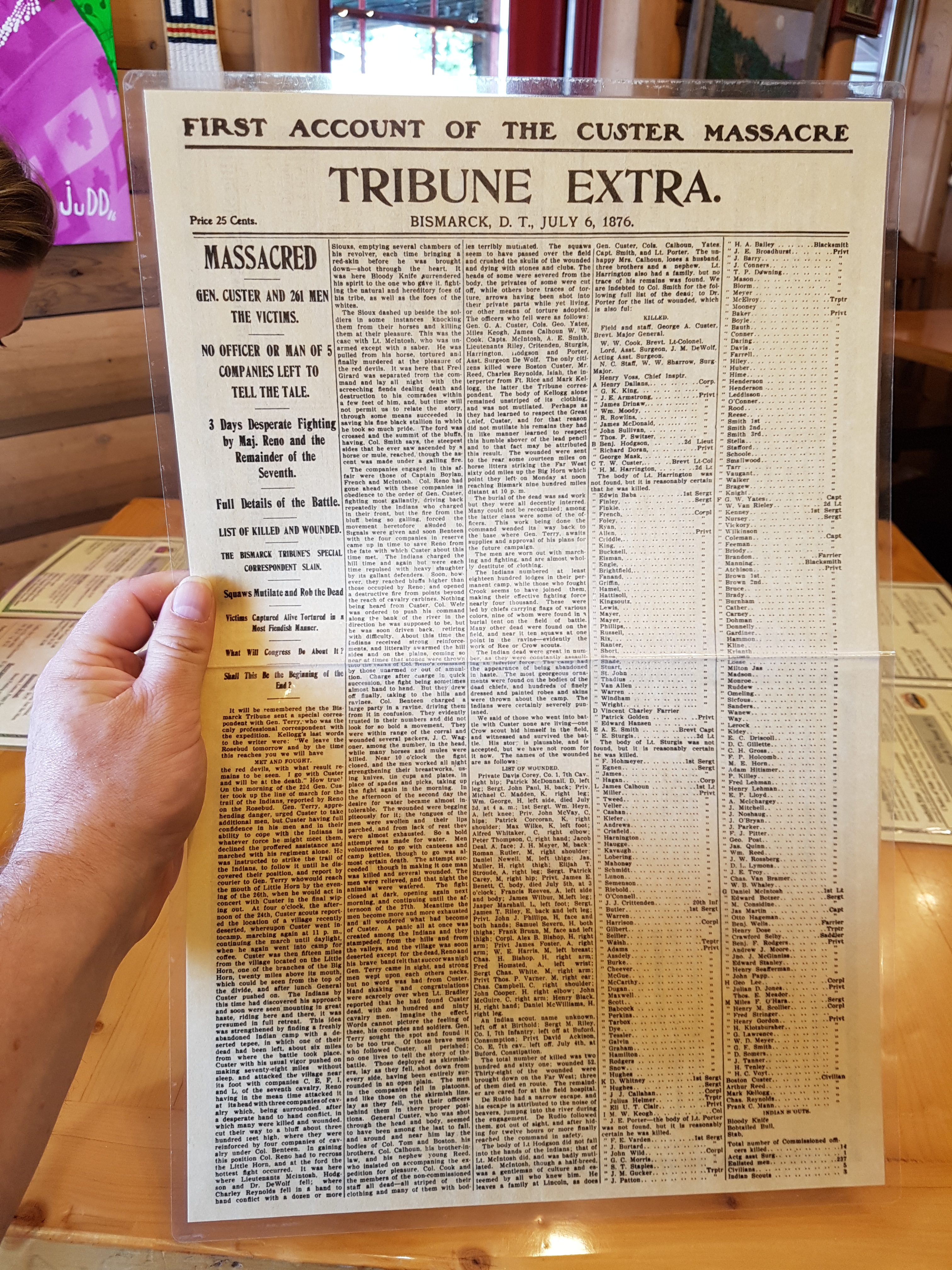
I happened into an interesting illustration of the problem one day while surfing travel blogs. One of these had a lovely account of a couple’s visit to the National Monument at Little Bighorn Battlefield. Their account was thoughtful and respectful, and I do not mean to direct negative attention their way (and in any event, I can no longer find it, hence the lack of a link), but one thing about their post stuck out in my mind. They made a point to say that their tour guide had been a student at the nearby Little Bighorn College, a tribal college, so they had gotten “the Native American point of view” on the battle. (I believe I got the quote right, but in any event, that was certainly the gist of it.)

Why is that a problem?

When people address the significance of the Battle of Little Bighorn (or Greasy Grass) to Native Americans, they are usually thinking in terms of those who fought against Custer and his troops. That would be Cheyenne and Lakota for the most part, (though there were some Arapaho in the village too.) I can’t help but think, those who read the blog in question will naturally think the “Native American” perspective mentioned in the blog will reflect the point of view of those peoples, but Little Bighorn College is on the Crow Agency, and the student in question was very likely Crow. His ancestors probably didn’t fight Custer on that day. In fact, some of them were likely serving as Custer’s scouts. To the degree that his or her native identity may have shaped the story these bloggers heard, it is unlikely that it was shaped in the manner most readers would have imagined.

Now, I certainly do not mean to suggest that a Crow’s perspective on the battle of Little Bighorn should weigh less than that of a Cheyenne or Lakota, not in the slightest. What I am suggesting is that the difference in this case matters. There is a difference between the perspective of someone whose ancestors fought against Custer and someone whose ancestors allied themselves with him. That difference is easily obscured when using terms like ‘Native American’ or ‘Indian.’

…which reminds me of one discussion I had about these issues with my own students at Diné College on the Navajo Nation many years ago. Fed up with my efforts to problematize every term available for the indigenous people at large, one of my own students just asked; “How about Diné?”

…which got us to the end of the lesson about 15 minutes early.

Don’t get me wrong; there are no magic solutions to any of these problems, but some words help us more than others. There are many contexts in which words like “Indian” or “Native American” are tough to avoid, but when you know which specific people you are talking about, it is almost always better to name the indigenous community in question.

It would certainly have been better suited to the particular story told in that travel blog.

***

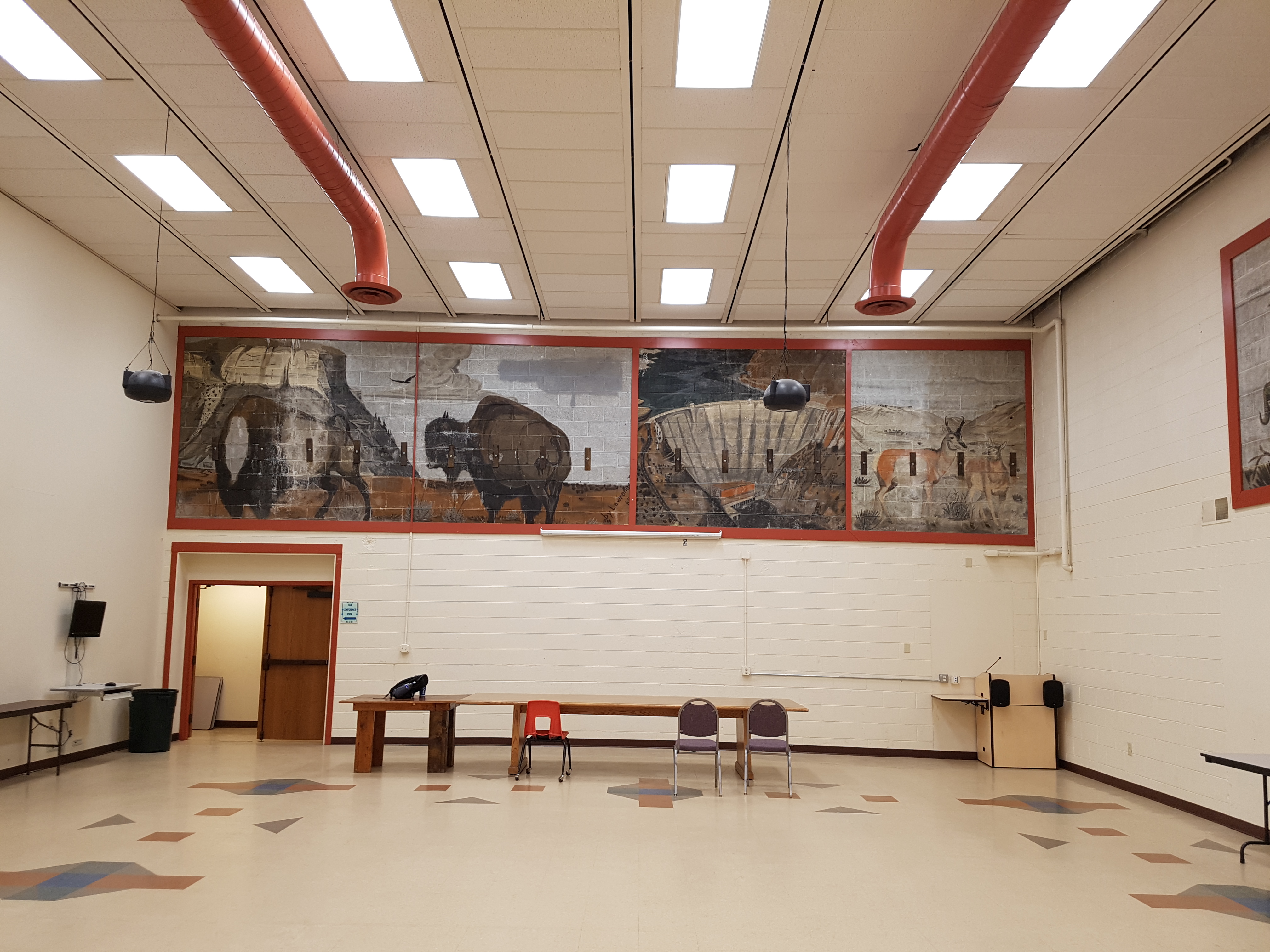
A few pics from Little Bighorn College.

(Click to embiggen)

A few pics from the Little Bighorn battlefield.

(Click to embiggen)

And a couple random pics from around the area.

Chicano Park-Adjacent Murals

Tags

, , , , , , , ,

A few posts back, I focused on the murals of Chicano Park in San Diego, but I forgot to post a whole section of pictures that are just across some trolley tracks from Barrio Logan where Chicano Park is located. These seem rather distinct from those at Chicano Park, both in terms of thematic content and color palette. As an outsider, I am rather prone to lump them in together with those of Chicano Park, but these do seem like they probably have a story of their own. I just don’t know what it is.

I looked around a bit, but I haven’t found anything to explain this particular batch of street art.

Anyway, here they is!

(Click to embiggen)